
Key Takeaway
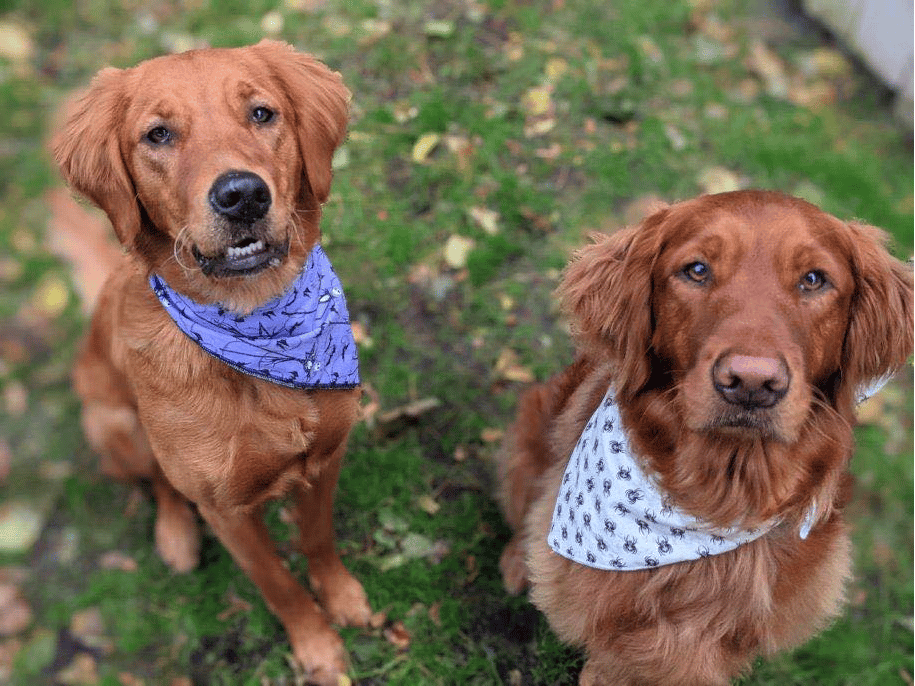
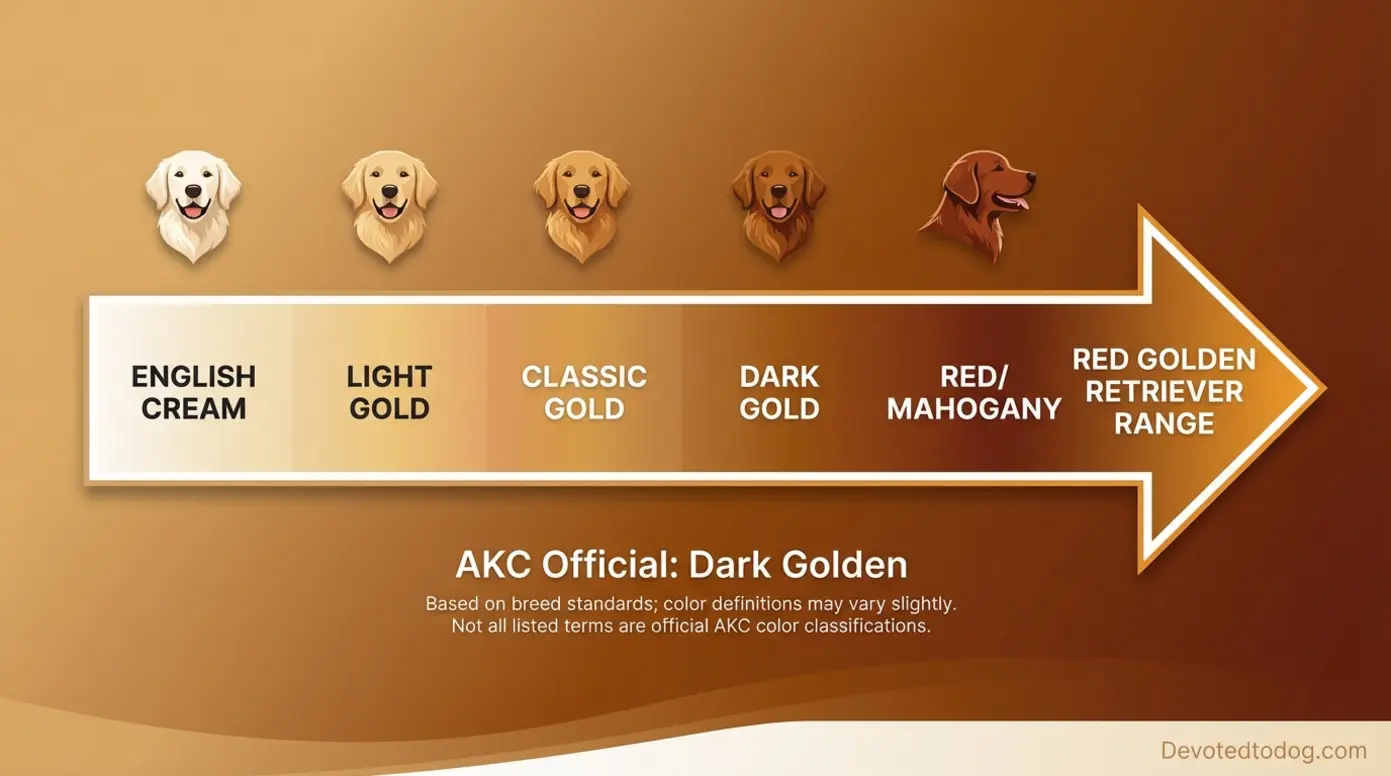
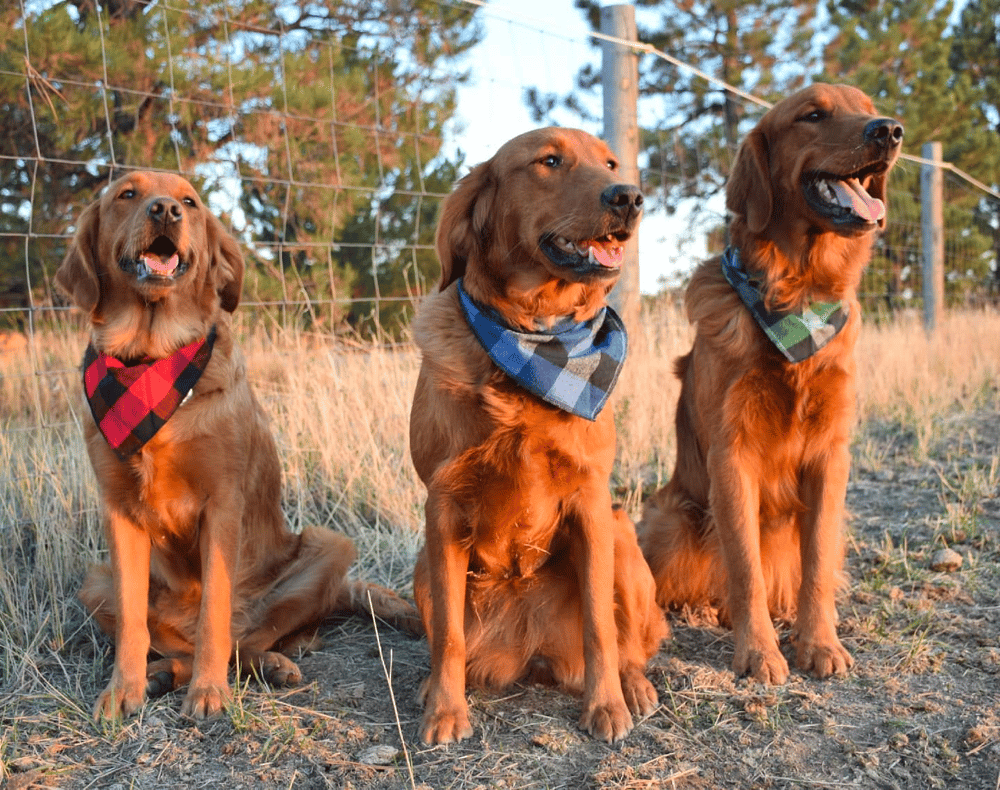
A red golden retriever is a purebred Golden Retriever with a deep mahogany or reddish-brown coat, typically from field-bred lines developed for hunting. These dogs are recognized by the AKC as “dark golden” within the official breed standard, not as a separate breed. Understanding the distinction between field and show lines is crucial because it influences energy levels and temperament more than coat color alone.
- Recognized by the AKC as “dark golden” within the official breed standard
- Often exhibit higher energy and drive than show-line Goldens due to working heritage
- Share the same health concerns as all Golden Retrievers (cancer, hip dysplasia, heart conditions)
- Typically cost $1,500–$3,500 from reputable breeders with health testing
📊 The Numbers That Matter
90+ min
daily exercise needed
field-line standard
65%
cancer deaths, UC Davis study
Kent et al., 2018
$2,500-$3,500
reputable breeder price
field-line range
10-12
years average lifespan
all Goldens equal
What Is a Red Golden Retriever? Origins, Appearance, and Recognition
What Exactly Is a Red Golden Retriever?
The Genetic Story: Why Some Goldens Are ‘Redder’ Than Others
Field Lines vs. Show Lines: The Origin of Red Goldens
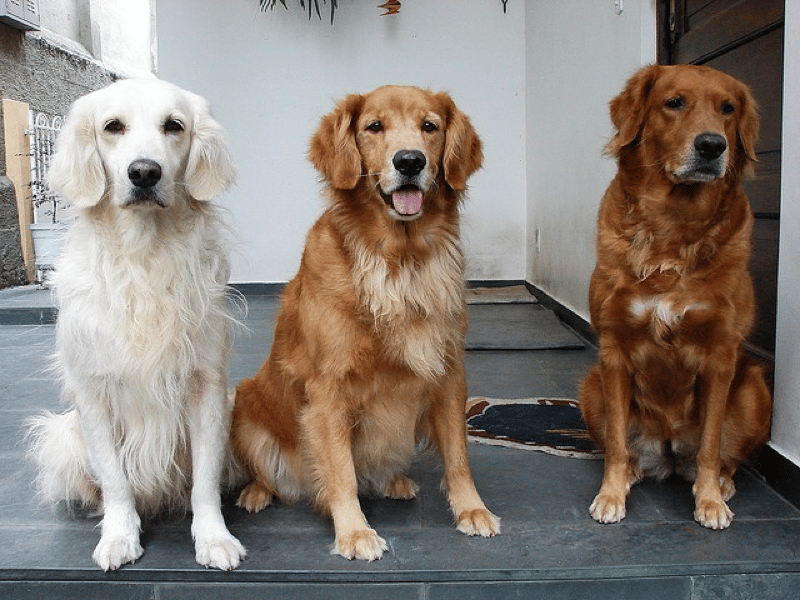
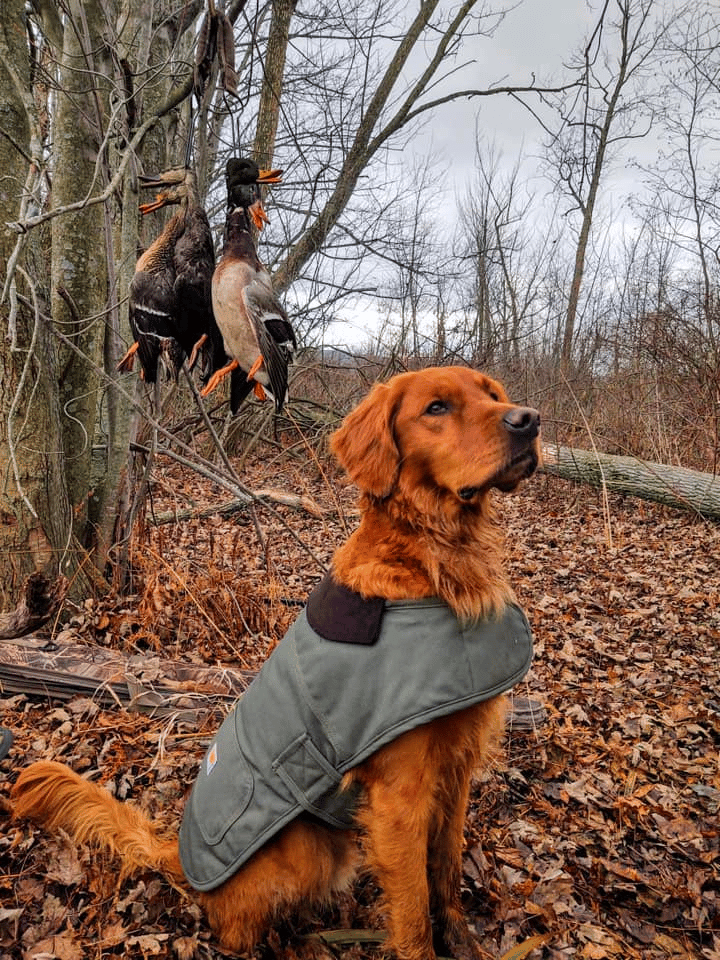
The predominance of red coats in certain Golden Retriever populations traces directly to the historical split between field and show breeding programs. After the breed’s establishment in Scotland, breeders in different regions began emphasizing different traits. Show breeders focused on conformation standards, favoring the lighter gold coats that judges preferred in the ring. Field breeders, particularly in North America, prioritized hunting performance, drive, stamina, trainability, and athleticism, and had no reason to select against the darker reds that appeared naturally in their working lines. This breeding divergence created two distinct “types” within the same breed. Field-bred Goldens, often displaying those darker red coats, tend to be leaner, more athletic, and higher energy because they were selected for retrieving birds over long distances in challenging terrain. Show-bred Goldens, typically lighter in color, were bred for a stockier build, calmer temperament, and the flowing coat that wins ribbons. Neither is “wrong”,they simply reflect different breeding priorities over generations. The practical impact for you is significant. If you’re drawn to a red Golden, you’re likely looking at a dog from field lines, which means you should expect the temperament and exercise needs that come with that heritage. For a detailed comparison of these two breeding approaches, explore the differences between field-bred and show goldens. The red coat itself doesn’t create high energy; the breeding line that preserved that red coat also preserved the working drive that makes these dogs exceptional athletes and hunting partners.AKC Recognition and Color Standards
How Do Red Golden Retrievers Differ From Standard Goldens?
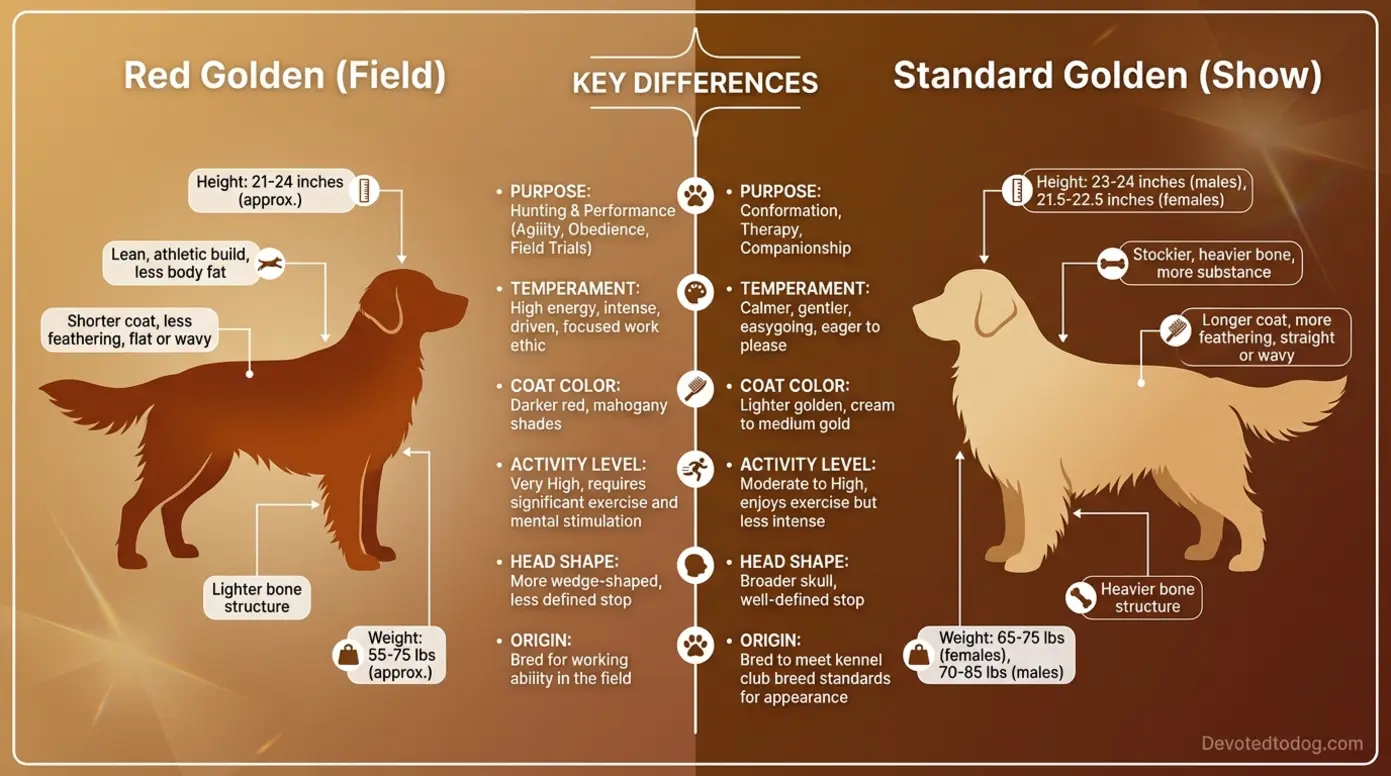
| Feature | Red Golden (Field Line) | Standard Golden (Show Line) |
|---|---|---|
| Height | Males: 22-23″, Females: 20-21″ | Males: 23-24″, Females: 21.5-22.5″ |
| Weight | Males: 65-75 lbs, Females: 55-65 lbs | Males: 70-80 lbs, Females: 60-70 lbs |
| Build | Lean, athletic, less bone | Stockier, heavier bone, broader chest |
| Coat Length | Shorter, less feathering | Longer, more feathering on chest/legs |
| Typical Purpose | Hunting, field trials, active sports | Conformation shows, family companion |
| Energy Level | Higher drive, more intense | Moderate, calmer temperament |
Physical Differences: Size, Build, and Coat
Red Golden Retrievers from field lines typically measure 22-23 inches at the shoulder for males and 20-21 inches for females, with weights ranging from 65-75 pounds for males and 55-65 pounds for females. This makes them noticeably smaller and lighter than show-line Goldens, which often reach 23-24 inches and 70-80 pounds for males per AKC standards. The difference isn’t dramatic, but it’s visible when you see the two types side by side,field reds have a rangier, more athletic silhouette compared to the broader, more substantial build of show dogs. The leaner build serves a functional purpose. Field-bred Goldens were developed to work all day retrieving waterfowl, which requires stamina, agility, and efficient movement over long distances. Extra weight would be a liability in this context, so breeders selected for dogs that could maintain pace without tiring. Show breeders, focusing on appearance rather than endurance, favored a more substantial frame that photographs well and presents an impressive silhouette in the ring. Coat length and texture also differ. Red Goldens typically have shorter coats with less feathering on the chest, legs, and tail compared to show-line dogs. This shorter coat sheds somewhat less and requires less grooming time. A practical advantage if you’re drawn to the breed but concerned about maintenance. The coat is still double-layered and water-resistant, providing protection during hunting and swimming, but without the excessive length that can mat and tangle. These physical traits aren’t flaws; they’re adaptations that make field-bred reds exceptionally functional working dogs. The infographic below provides a visual comparison of these key differences.Temperament and Energy Levels: Debunking the ‘Hyper Red’ Myth

Shedding and Grooming Needs
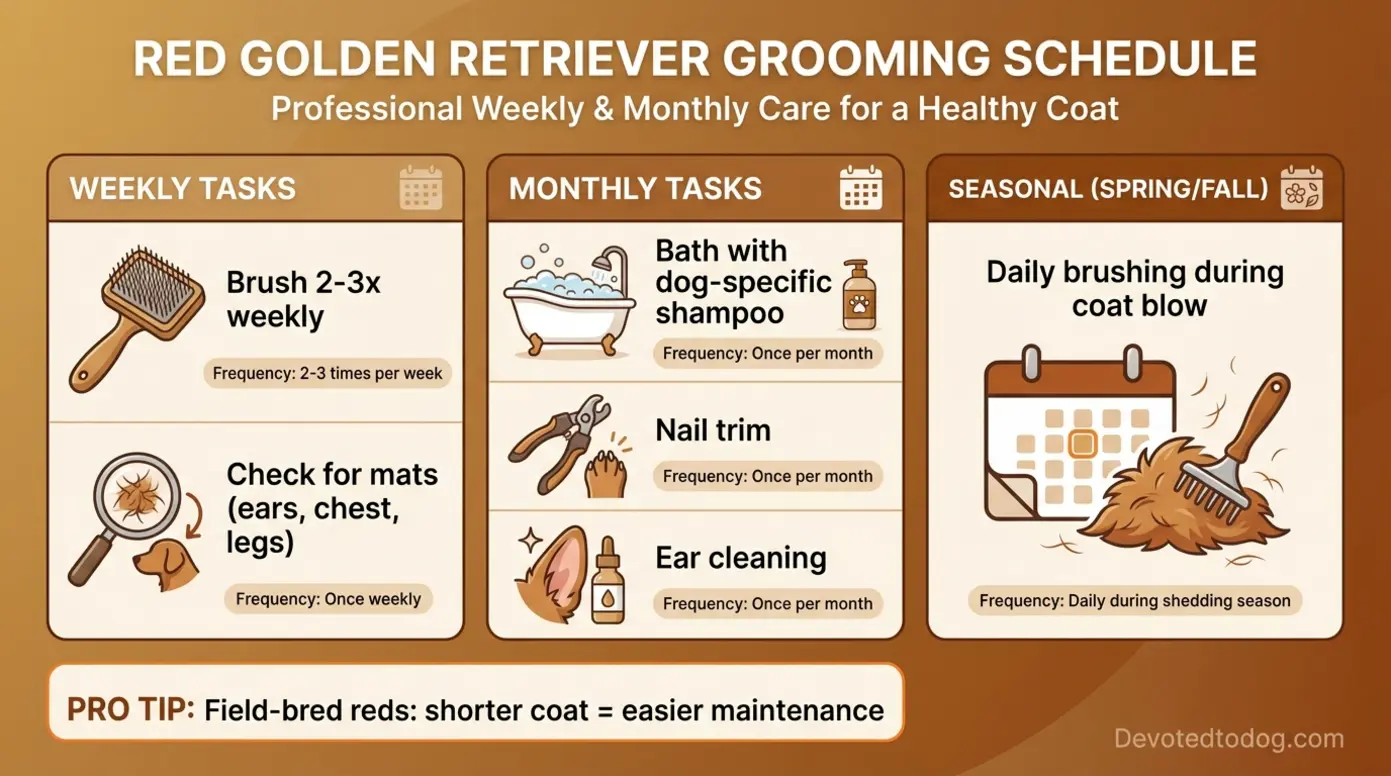
Red Golden Retrievers typically shed less than their show-line counterparts due to their shorter coats, but they’re still heavy shedders by any objective standard. The double coat that makes Goldens excellent water retrievers also means year-round shedding, with dramatic increases during spring and fall “coat blowing” seasons. If you’re allergic to dog hair or want a low-maintenance coat, any Golden Retriever, red or otherwise, is the wrong choice. The shorter coat length on field-bred reds means less hair overall and easier management. You’ll still need to brush 2-3 times weekly with a slicker brush and undercoat rake to remove dead hair and prevent mats, but you’ll spend less time on feathering and tangles compared to show-line dogs. During shedding season, daily brushing becomes necessary to keep up with the volume of loose hair. The upside is that the shorter coat dries faster after swimming and picks up less debris during outdoor activities. For detailed strategies on managing the inevitable shedding, consult our comprehensive guide on managing a golden retriever’s shedding. The reality is that all Golden Retrievers shed heavily, and the slight reduction with a red field-bred dog won’t eliminate the need for regular vacuuming, lint rollers, and accepting that dog hair is now part of your wardrobe. If you’re drawn to the breed’s temperament and appearance, the shedding is simply part of the package,not a dealbreaker, but a factor requiring honest acknowledgment before you commit.What Is a Red Golden Retriever’s Temperament Really Like?
Core Personality Traits: Friendly, Driven, and Affectionate
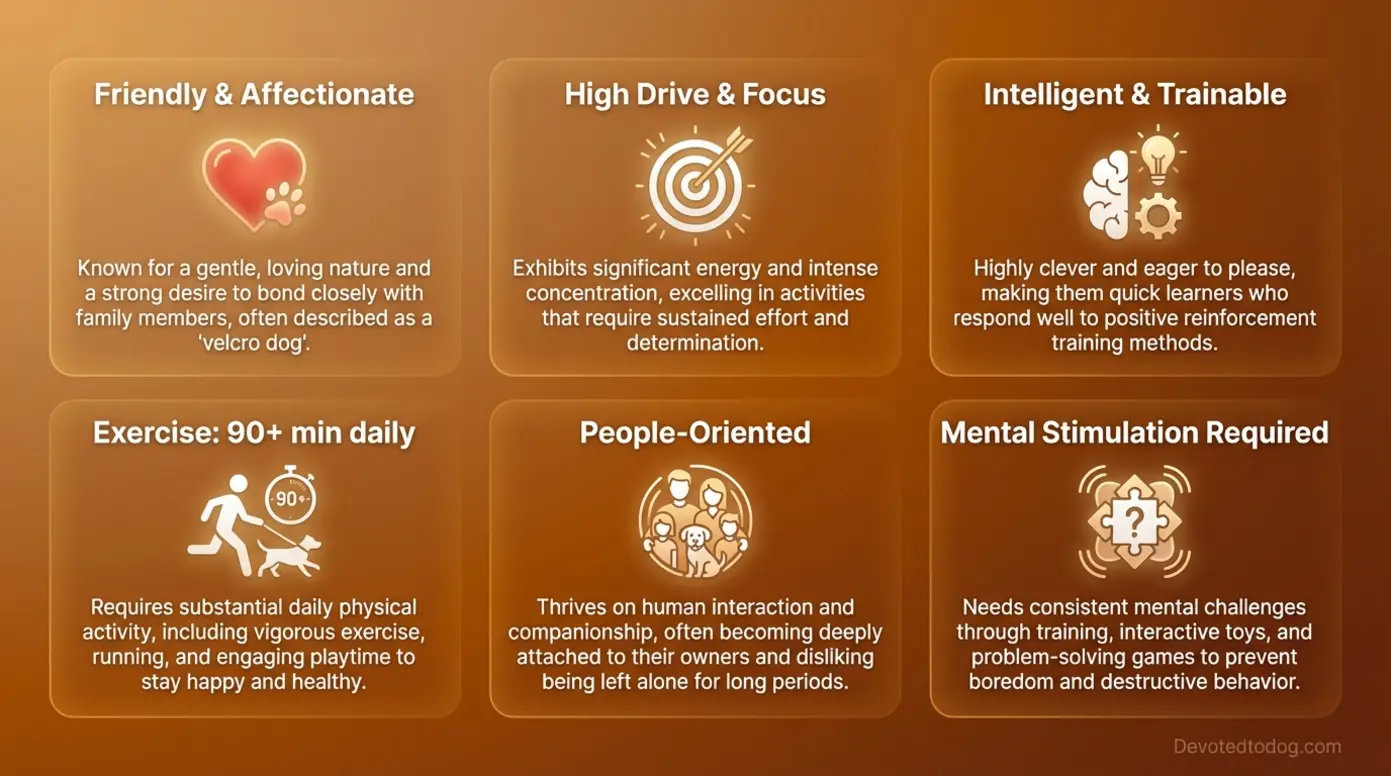
Red Golden Retrievers display the friendly, sociable nature that defines the breed. They’re notoriously poor guard dogs because they greet strangers with enthusiasm rather than suspicion. A trait that makes them wonderful family companions but useless for protection work. This friendliness extends to other dogs and pets when properly socialized, making them excellent additions to multi-pet households. Their gentle “soft mouth,” bred for retrieving game birds without damage, translates to patience with children and careful handling of toys and objects. The top temperament trait that sets Goldens apart is their deep bond with family members. These dogs don’t do well with isolation or being relegated to the backyard. They need to be inside dogs, part of daily family life, with regular interaction and companionship. When their social needs aren’t met, they’re prone to separation anxiety, which can manifest as destructive chewing, excessive barking, or house soiling. This isn’t a behavioral flaw,it’s the natural consequence of breeding a dog specifically for close partnership with humans. Field-bred reds often add “driven” to the friendly and affectionate baseline. They approach tasks with focus and intensity, whether that’s retrieving a training dummy, learning a new command, or playing fetch. This drive makes them exceptional working partners but requires understanding from owners. A driven dog isn’t content with a 20-minute walk around the block; they need activities that engage both body and mind. Recognizing this combination of affection and intensity helps you provide the right environment for a red Golden to flourish.Intelligence and Trainability: Why Reds Excel in Fieldwork
Exercise and Mental Stimulation Requirements
Red Golden Retrievers from field lines require a minimum of 1 hour of vigorous exercise daily, and many thrive with 90 minutes to 2 hours of activity. This isn’t a leisurely stroll around the neighborhood. These dogs need opportunities to run, swim, retrieve, and engage in activities that challenge their athleticism and stamina. Without adequate physical outlets, they become restless, destructive, and difficult to live with. The “hyper” behavior many owners complain about is often just an under-exercised field-bred dog trying to burn off energy in inappropriate ways. Mental stimulation is equally critical. Puzzle toys, scent work, hide-and-seek games, and regular training sessions keep their intelligent minds engaged. A physically tired dog who’s mentally bored will still find ways to entertain themselves,often by chewing furniture, digging holes, or engaging in other destructive behaviors. The combination of physical exercise and mental challenge creates a satisfied, well-behaved companion. Activities like dock diving, agility training, or actual hunting work provide both physical and mental engagement, making them ideal outlets for field-bred reds. What happens if you can’t meet these needs? You’ll likely face behavioral problems including separation anxiety, excessive barking, destructive chewing, and difficulty settling indoors. These aren’t personality defects; they’re predictable outcomes when a high-energy working dog doesn’t receive appropriate outlets. If your lifestyle involves long work hours, limited outdoor access, or low activity levels, a field-bred red Golden isn’t the right match. This honest assessment before you commit prevents frustration for both you and the dog.Are Red Goldens Good Family Dogs?
Red Golden Retrievers are excellent family dogs for active households with children, provided the family can meet their exercise and engagement needs. Their gentle nature and patient temperament make them wonderful with kids. The “soft mouth” that allows them to retrieve game birds without damage translates to careful play with children. They’re large enough to handle rough play from toddlers without injury, yet gentle enough to be trusted around infants when properly supervised. Socialization with other dogs and pets is typically straightforward. Goldens lack the strong prey drive or territorial aggression common in some breeds, making them compatible with cats, other dogs, and even small pets when introduced properly during puppyhood. Their friendly nature means they generally assume all creatures are potential friends, though individual personalities vary. Early, positive exposure to different animals, people, and environments creates a confident, well-adjusted adult dog. The ideal family for a red Golden has a yard for play, time for daily exercise, and an active lifestyle that includes the dog in activities. They’re not well-suited for apartment living without dedicated exercise time, nor for families where everyone works long hours and the dog would be alone most of the day. These dogs thrive when they’re part of family life,joining hikes, swimming trips, and outdoor adventures. If your family’s lifestyle aligns with these needs, a red Golden can be an exceptional companion who grows up alongside your children and remains a loyal family member for a decade or more.What Health Issues Should Red Golden Retriever Owners Watch For?
Common Health Issues Across All Golden Retrievers
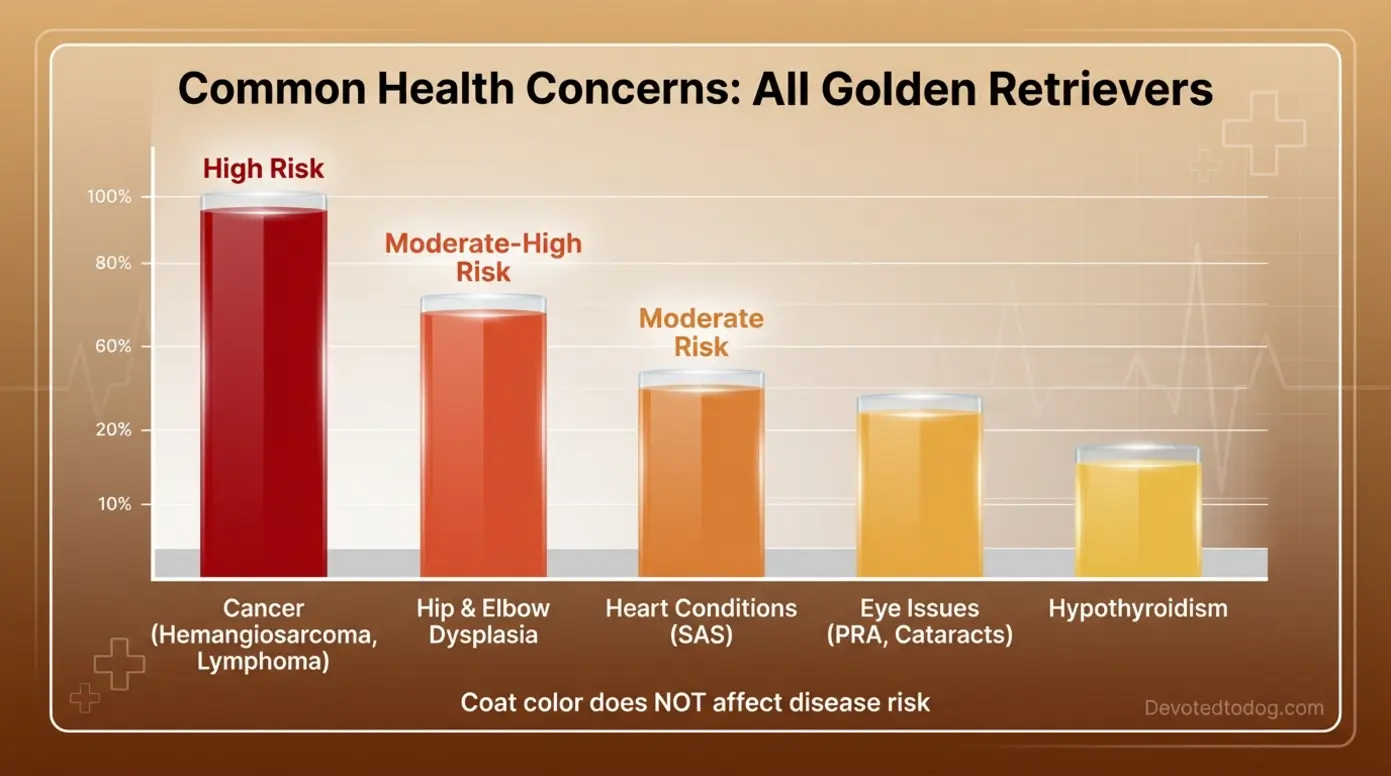
Golden Retrievers face several primary health concerns regardless of coat color: cancer (hemangiosarcoma and lymphoma), hip and elbow dysplasia, heart conditions like subvalvular aortic stenosis, and eye issues including progressive retinal atrophy and cataracts. These conditions affect the breed at higher rates than the general dog population, making awareness and early detection crucial. The coat color, whether red, gold, or cream, does not influence the likelihood of developing these diseases. Genetics, breeding practices, and environmental factors matter; pigmentation does not. This is why health testing of parent dogs is critical. When breeders screen breeding dogs for hip dysplasia using OFA or PennHIP evaluations, test for genetic mutations associated with progressive retinal atrophy, and perform cardiac examinations, they significantly reduce the risk of producing puppies with these conditions. Puppies from health-tested parents aren’t guaranteed to be disease-free, but the odds improve dramatically compared to puppies from untested parents or parents with poor health clearances. For a comprehensive overview of breed-specific health challenges, see our detailed guide on common health issues for the breed. The practical advice is straightforward: before committing to any Golden Retriever puppy, ask to see health clearances for both parents. If the breeder can’t or won’t provide this documentation, walk away. The money you save on a cheaper puppy from an untested breeding will likely be spent many times over on veterinary care for preventable conditions. For a visual walkthrough of these health concerns and prevention strategies, watch our expert veterinary guide below.The ‘Silent Killer’: Cancer Risks in Goldens
Hemangiosarcoma and lymphoma are the most common cancers affecting Golden Retrievers, earning the breed the unfortunate distinction of having one of the highest cancer rates among all dog breeds. The GRCA’s health portal identifies these cancers as major health concerns, with hemangiosarcoma particularly dangerous because it often shows no symptoms until the disease is advanced. This “silent killer” can progress rapidly, and by the time clinical signs appear, lethargy, pale gums, abdominal swelling, treatment options may be limited. Research suggests that early neutering (before 1 year of age) may increase cancer risk in Golden Retrievers, though the relationship is complex and not fully understood. Some veterinarians now recommend delaying spay/neuter procedures until after the dog reaches skeletal maturity, particularly for large breeds like Goldens. This decision should be made in consultation with your veterinarian, considering factors like behavioral management, local laws, and individual health risks. Preventive measures include maintaining a healthy weight (obesity is a risk factor for multiple cancers), limiting exposure to lawn chemicals and pesticides, providing a high-quality diet, and scheduling regular veterinary examinations. While you can’t eliminate cancer risk, these steps may reduce it. Early detection through annual or bi-annual vet visits improves treatment outcomes when cancer does occur. Understanding this serious health concern helps you make informed decisions about insurance, budgeting for potential treatment costs, and maximizing your dog’s quality of life throughout their years with you.Joint Health: Hip and Elbow Dysplasia Prevention
Hip and elbow dysplasia are hereditary conditions where the joints develop abnormally, leading to arthritis, pain, and reduced mobility as the dog ages. These conditions are common in Golden Retrievers, affecting a significant percentage of the breed population. OFA (Orthopedic Foundation for Animals) or PennHIP screening of breeding dogs identifies individuals with good joint structure, allowing breeders to make informed decisions about which dogs to breed and which to exclude from breeding programs. When you’re evaluating a breeder, ask to see OFA certifications for both parents’ hips and elbows. These certifications should show ratings of “Good” or “Excellent” for hips and “Normal” for elbows. Ratings of “Fair” are acceptable but not ideal, while “Borderline” or “Dysplastic” ratings mean those dogs should not be bred. Reputable breeders make this information readily available and can explain what the ratings mean. If a breeder dismisses health testing as unnecessary or claims their dogs are “too young” to be tested, that’s a major red flag. Management of joint health includes maintaining appropriate body weight (excess weight stresses joints), providing low-impact exercise like swimming, and considering supplements such as glucosamine and omega-3 fatty acids. These supplements may help support joint health, though evidence of their effectiveness varies. Your veterinarian can recommend specific products and dosages based on your dog’s age, weight, and joint condition. While you can’t prevent dysplasia if your dog has the genetic predisposition, proper management can minimize pain and maintain quality of life for many years.Lifespan and Longevity: What to Expect
The typical red golden retriever lifespan is 10-12 years, consistent with the breed average across all color variations. Individual longevity depends on genetics (health testing of parents matters), diet quality, exercise levels, veterinary care, and environmental factors. Some Goldens live into their early teens, while others succumb to cancer or other health issues at younger ages. Understanding this typical lifespan helps you prepare for the decade-plus commitment you’re making when you bring home a puppy. Factors that influence longevity include maintaining a healthy weight throughout life (obesity shortens lifespan), providing regular exercise without overexertion during puppyhood (which can damage developing joints), feeding high-quality food appropriate for the dog’s life stage, and establishing a relationship with a trusted veterinarian for preventive care and early intervention when health issues arise. The genetic component is significant,dogs from lines with documented longevity and low cancer rates have better odds of living longer, healthier lives. This is a decade-plus commitment to daily care, training, exercise, and veterinary expenses. The financial investment includes not just the purchase price but ongoing costs for food, preventive care, grooming supplies, training, and potential treatment of health conditions. The emotional investment is equally significant,you’re bringing a family member into your home who will depend on you for everything. Understanding the realistic lifespan helps you make an informed decision about whether this is the right time in your life for this commitment.This article is general information, not veterinary advice. If your dog shows any of the signs above, or you have questions about your Red Golden’s health, talk to your veterinarian.
How Do You Groom and Care for a Red Golden Retriever?
Coat Care: Brushing, Bathing, and Managing the Red Coat
Brush your red Golden 2-3 times weekly using a slicker brush to remove loose hair from the topcoat and an undercoat rake to penetrate the dense undercoat. The brushing motion should be gentle but thorough, working in sections from head to tail. Pay particular attention to areas prone to matting: behind the ears, under the collar, on the chest, and where the legs meet the body. Mats form quickly in these friction areas and can become painful if left unaddressed. Regular brushing prevents mats from developing and distributes natural skin oils throughout the coat, maintaining its healthy sheen. Bathe your Golden monthly or as needed using dog-specific shampoo formulated to preserve coat oils. Human shampoo disrupts the pH balance of dog skin and can cause dryness and irritation. During bathing, thoroughly wet the coat (which takes time due to the water-resistant outer layer), apply shampoo, work it down to the skin, and rinse completely,leftover soap residue causes itching and skin problems. The shorter coat on field-bred reds dries faster than show-line coats, but thorough drying is still important to prevent hot spots and skin infections. Preventing matting requires vigilance. Check behind the ears and on the chest daily, especially if your dog swims or plays in wet conditions. When you find a small mat, work it out gently with your fingers or a mat splitter before it becomes large and tight. Large mats may require professional grooming or careful trimming with scissors,never pull or cut mats without seeing what you’re doing, as you can injure the skin beneath. Establishing these grooming routines early, during puppyhood, makes them easier to maintain throughout your dog’s life.Shedding Management: Tools and Techniques
Seasonal shedding peaks occur in spring and fall when Golden Retrievers “blow” their coats, releasing the dense undercoat in preparation for temperature changes. During these periods, you’ll be amazed at the volume of hair a single dog can produce. Daily brushing becomes necessary to keep up with the loose hair and prevent it from covering every surface in your home. De-shedding tools like the FURminator or undercoat rake are particularly effective during these heavy shedding periods, removing loose undercoat before it ends up on your furniture and clothing. Regular brushing year-round minimizes the dramatic shedding peaks and keeps your home more manageable. The technique involves brushing in layers: first use a slicker brush on the topcoat, then use an undercoat rake to penetrate deeper and remove loose undercoat. Work systematically from head to tail, and expect to fill a grocery bag with hair during peak shedding season. This isn’t an exaggeration,Goldens shed that much. For comprehensive strategies and product recommendations, see our guide on managing a golden retriever’s shedding. The reality is that no tool or technique eliminates shedding entirely. You’re committing to regular vacuuming, lint rollers as a wardrobe staple, and accepting that dog hair is now part of your life. If you’re not prepared for this level of shedding, a Golden Retriever, red or otherwise, isn’t the right breed choice.Nutritional Needs and Weight Management
Golden Retrievers are food-motivated and prone to obesity, making portion control critical throughout their lives. Feed high-quality dog food formulated for large, active breeds, with protein content around 24-26% and fat around 12-15%, per AKC nutrition guidelines for adults. Puppies need higher protein (around 28%) and fat (around 17%) to support growth (GRCA), but avoid overfeeding, which can contribute to developmental orthopedic problems. Follow feeding guidelines on the food package as a starting point, then adjust based on your individual dog’s body condition and activity level. Monitor your dog’s weight carefully. You should be able to feel ribs easily without pressing hard, see a visible waist when viewed from above, and see an abdominal tuck when viewed from the side. If ribs aren’t easily palpable or the waist disappears, your dog is overweight and needs portion reduction. Obesity stresses joints (particularly problematic given the breed’s predisposition to hip dysplasia), increases cancer risk, and shortens lifespan. The few extra minutes of begging you avoid by overfeeding aren’t worth the health consequences. Expect to go through 30+ pounds of quality food monthly for an adult red Golden, with costs varying based on brand and quality. Budget accordingly, and resist the temptation to save money by choosing lower-quality food,poor nutrition shows up in coat quality, energy levels, and long-term health. Supplements like glucosamine for joint health and omega-3 fatty acids for coat and skin may be beneficial, but discuss these with your veterinarian before adding them to your dog’s diet. Proper nutrition is an investment in your dog’s health that pays dividends throughout their life.Where Can You Find a Red Golden Retriever Puppy?
How Much Does a Red Golden Retriever Cost?
Red golden retriever puppies from reputable breeders typically cost $1,500-$3,500, with variation based on the breeder’s reputation, the parents’ titles and health clearances, geographic location, and included services. Breeders at the higher end of this range often have extensive health testing (OFA hips and elbows, cardiac exams, genetic panels screening 180+ conditions), proven working or show titles on parent dogs, and comprehensive puppy starter packages including vaccinations, microchipping, health guarantees, and training resources. This isn’t price gouging,it’s the cost of responsible breeding practices. Backyard breeders typically charge $800-$1,500, a price point that seems attractive until you understand what’s missing. These breeders often skip health testing ($500-$1,000 per dog), don’t invest in proper socialization, and provide minimal veterinary care. The “savings” disappear quickly when you’re paying for hip dysplasia surgery ($3,000-$6,000 per hip), treating genetic diseases, or working with a behaviorist to address fear or aggression issues stemming from poor early socialization. The initial price difference is insignificant compared to lifetime costs. First-year costs beyond the puppy price include supplies ($300-$500), initial veterinary visits and vaccinations ($200-$400), spay/neuter surgery ($200-$500), training classes ($150-$300), and food ($600-$900), totaling roughly $2,000-$3,000. Annual costs thereafter average around $2,000 for food, routine vet care, grooming supplies, and miscellaneous expenses. For a detailed breakdown of ongoing expenses, see our guide on understanding the cost of a golden retriever. Budget for these realities before committing to a puppy.How to Find a Reputable Red Golden Retriever Breeder
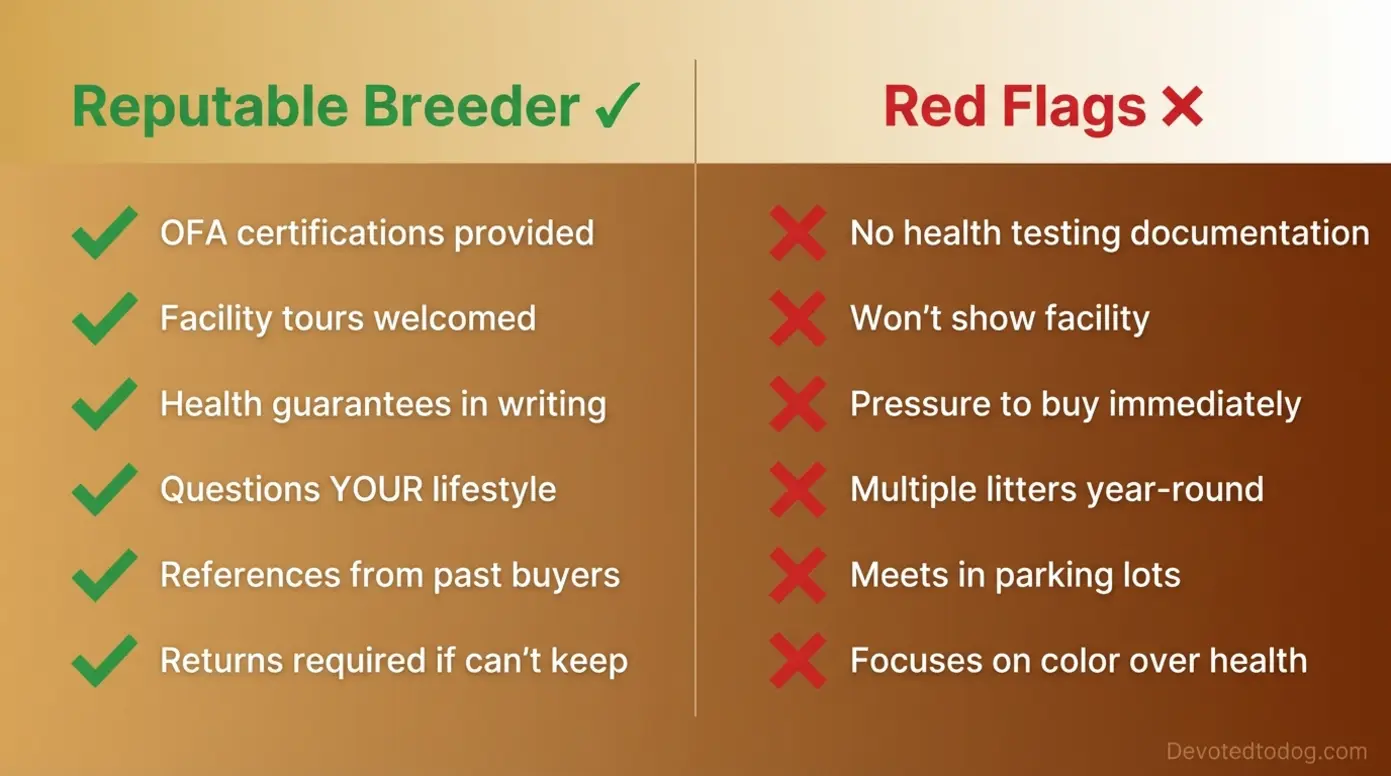
Reputable breeders demonstrate their commitment to the breed through specific, verifiable practices. Green flags include OFA certifications for both parents’ hips and elbows (ratings of “Good” or “Excellent” preferred), cardiac examinations by board-certified veterinary cardiologists, ophthalmologist exams for inherited eye diseases, and genetic testing panels (Embark or similar) screening for 180+ hereditary conditions. They willingly provide documentation of these tests, explain what the results mean, and discuss how they use health testing to make breeding decisions. Additional green flags include facility tours (you should see where puppies are raised), references from previous puppy buyers, written contracts with health guarantees, and detailed questions about your lifestyle and experience. Responsible breeders want to ensure their puppies go to appropriate homes and will decline to sell to buyers they feel aren’t a good match. They’re invested in the long-term welfare of every puppy they produce, often requiring return of the dog to them if you can’t keep it at any point in its life. Red flags include refusal to show health clearances, claims that “my vet says they’re healthy” without formal testing, pressure to buy immediately, multiple litters available year-round, selling puppies before 8 weeks of age, or meeting in parking lots rather than at their facility. If a breeder won’t answer questions, gets defensive about health testing, or focuses primarily on color rather than health and temperament, walk away. For detailed guidance on breeder evaluation, see our comprehensive resource on how to find a reputable golden retriever breeder.Questions to Ask Before You Buy
Ask to see OFA certifications for both parents’ hips and elbows, cardiac examination results, ophthalmologist exam results, and genetic testing results. Reputable breeders have this documentation readily available and can explain what the results mean. Ask specifically about ratings: hips should be “Good” or “Excellent,” elbows should be “Normal,” and genetic tests should show clear results for major hereditary diseases. If the breeder can’t produce this documentation or claims testing isn’t necessary, that’s a dealbreaker. Ask about the breeder’s focus: are they prioritizing health and temperament, or are they breeding primarily for coat color? Breeders who emphasize “rare” red color over working ability or health testing are profit-focused rather than breed-focused. Ask about puppy socialization practices,what experiences do puppies have before going home? Exposure to different surfaces, sounds, people, and gentle handling during the critical early weeks sets the foundation for confident, well-adjusted adult dogs. Ask about health guarantees: what conditions are covered, for how long, and what are the terms? Responsible breeders typically guarantee against major hereditary defects for 2 years and require return of the dog if you can’t keep it. Ask to speak with previous puppy buyers,their experiences tell you whether the breeder provides ongoing support and produces healthy, well-tempered dogs. These questions help you distinguish breeders who genuinely care about their dogs from those running puppy production operations.Red Golden Retriever Availability by Region
Red Golden Retrievers are less common than standard Goldens, particularly in certain geographic areas where show-line breeding predominates. You may need to expand your search beyond your immediate area, join waitlists, or be prepared to travel to find a reputable breeder with available puppies. High-search regions including North Carolina, Colorado, Indiana, Ohio, Florida, Georgia, Washington, Utah, and Wisconsin show active breeder communities, but quality breeders exist across the country,you just need to invest time in finding them. Be prepared to wait. Responsible breeders don’t produce puppies year-round; they breed selectively when they have appropriate homes waiting and when their breeding females are ready. Waitlists of 6-12 months aren’t unusual for quality breeders, particularly for red Goldens if the breeder focuses on field lines. This waiting period isn’t a negative,it’s evidence that the breeder isn’t running a puppy mill churning out litters constantly. Use the waiting time to prepare your home, research training methods, and save for first-year expenses. Shipping or traveling to pick up a puppy is common when you’re searching for a specific color or breeding line. Many breeders will ship puppies via air cargo with a flight nanny, though this adds $300-$500 to the cost. Others prefer that buyers travel to pick up puppies personally, allowing you to meet the parents, see the facility, and establish a relationship with the breeder. Either option is acceptable if the breeder is reputable; the key is finding the right breeder rather than settling for whoever is geographically closest.1. Ridley’s Red Retrievers

| Name of Owner | Jamie Nye |
| Years of Breeding Experience | 20+ |
| Address | Myerstown, Pennsylvania |
| [email protected] | |
| Phone Number | 717-813-9922 |
| Website | ridleysredretrievers.com |
2. Red Canyon Retrievers
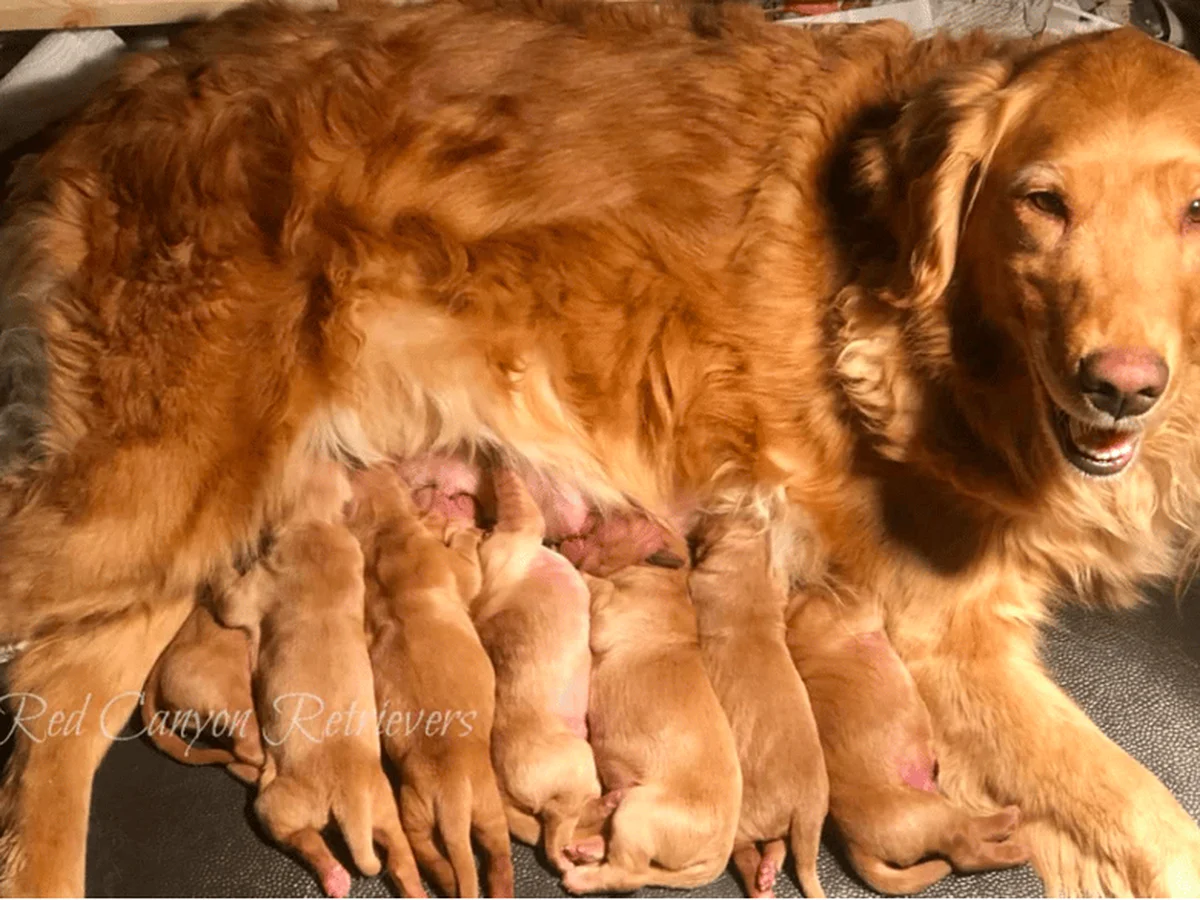
| Name of owner | Paul and Janie |
| Years of Breeding Experience | 24+ years |
| Address | Cedar City, Utah |
| [email protected] | |
| Phone number | 435-531-6055 |
| Website | redcanyonretrievers.com |
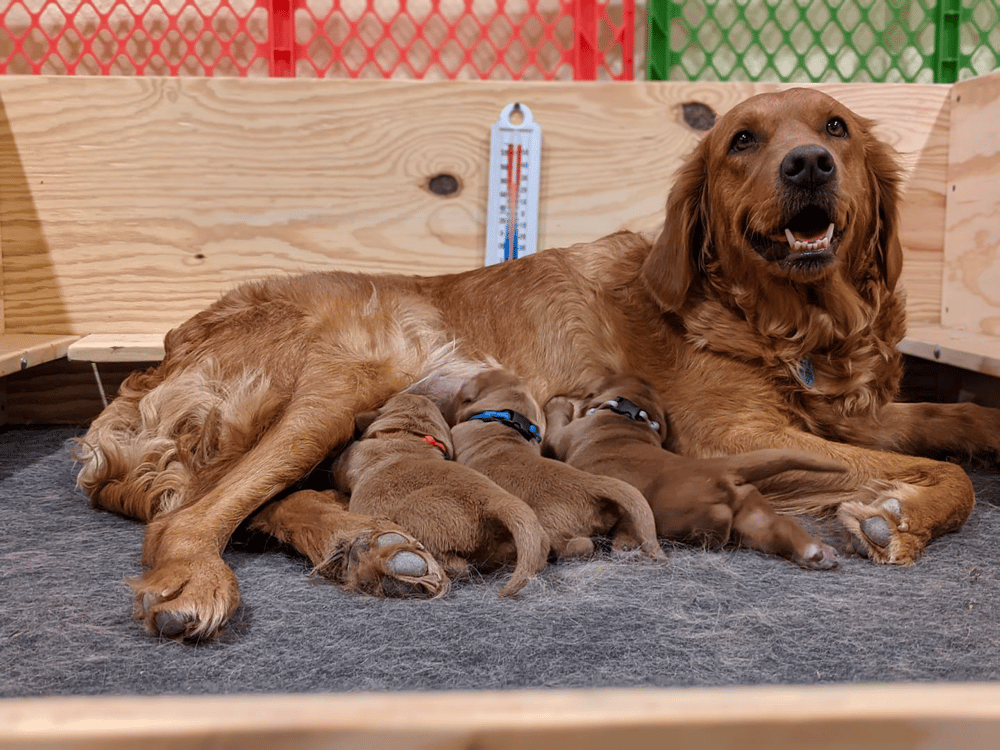
3. Goldens on the Rocks
| Owner | Jace Dwayne Bakke |
| Address | Parker, Colorado |
| [email protected] | |
| Phone Number | 303-548-7299 |
| Website | goldensontherocks.com |
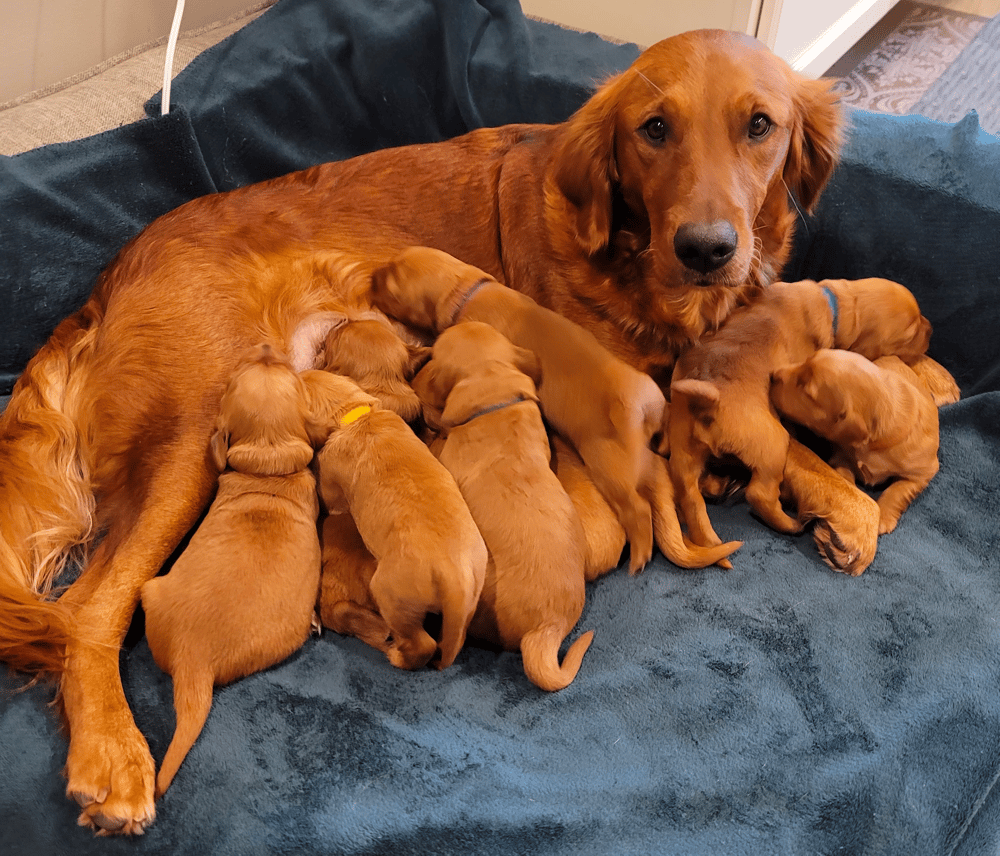
4. Snowy Ridge Goldens
| Name of owner | Dennis and Allison LaTulip |
| Breeder since | 2012 |
| Address | Traverse City, Michigan |
| [email protected] | |
| Phone number | 406-431-9864 |
| Website | snowyridgegoldens.com |
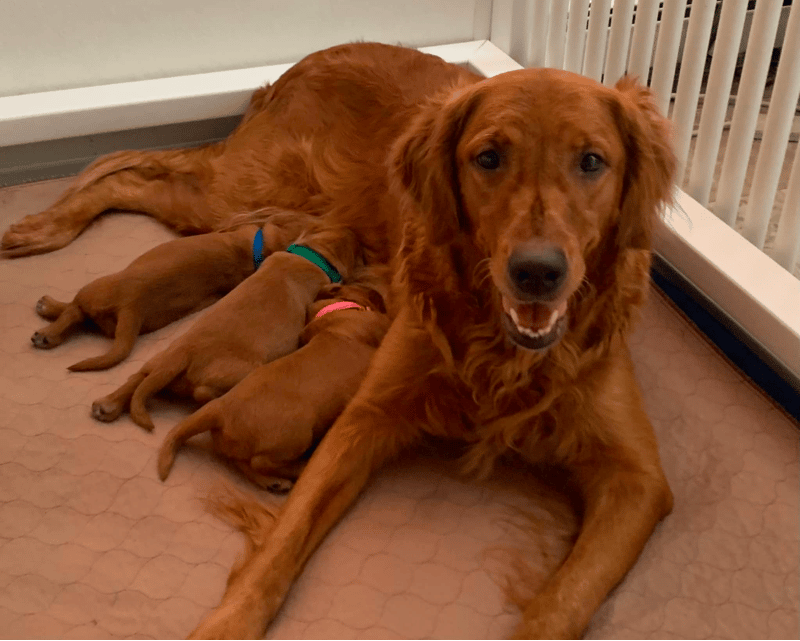
5. Bounderhill Goldens
| Name of owner | George and Judy Pearsall |
| Address | Stuyvesant, New York |
| [email protected] | |
| Phone number | 518-929-4157 |
| Website | bounderhillgoldens.com |
Should You Adopt a Red Golden Retriever Instead?
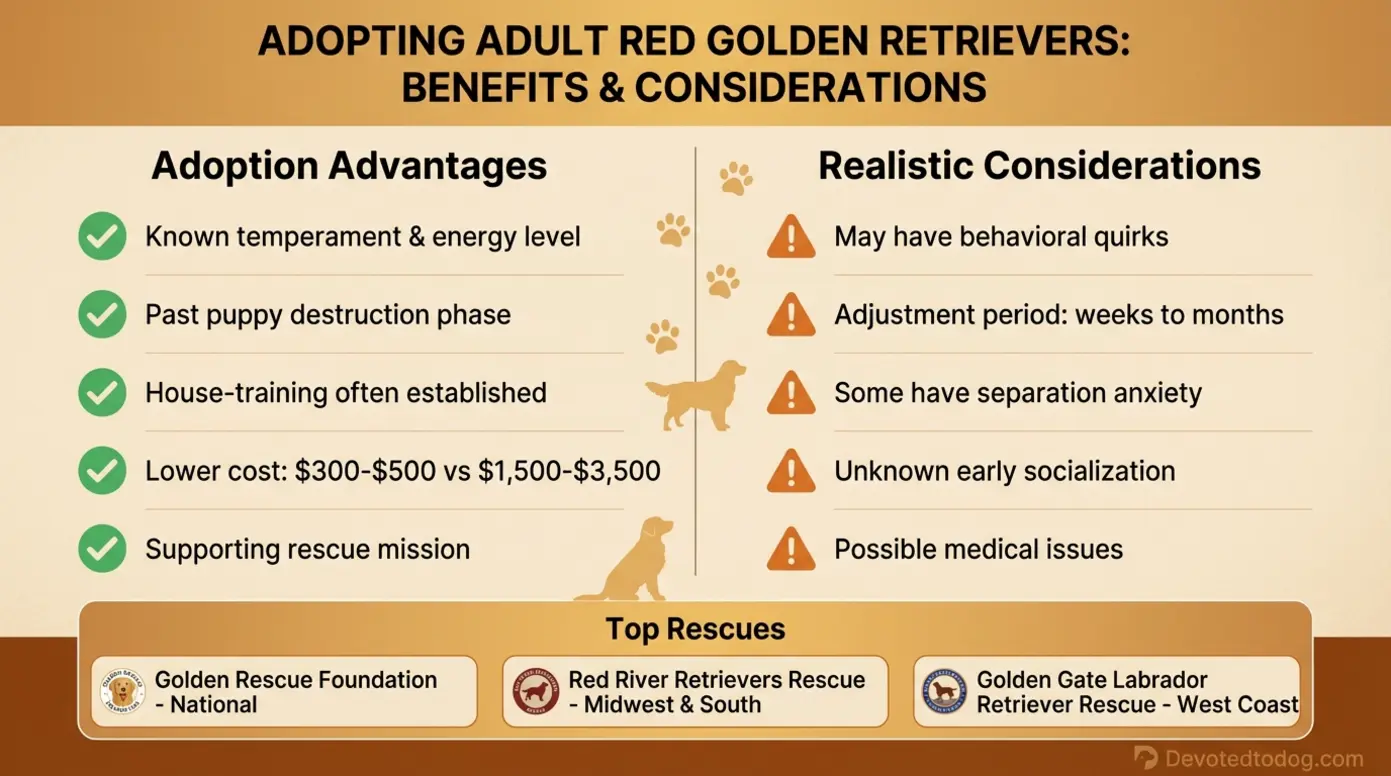
Why Consider Adopting a Red Golden Retriever?
Adult dogs from rescue often come with basic training and established temperament, eliminating the uncertainty of puppyhood. You know whether the dog is house-trained, how they behave with other pets, their energy level, and any behavioral quirks before you commit. This transparency helps ensure a good match between dog and household, reducing the risk of failed adoptions. The lower cost compared to buying a puppy, typically $300-$500 versus $1,500-$3,500, also makes rescue an attractive option for budget-conscious families. However, realistic expectations are essential. Some rescue dogs have behavioral quirks from previous experiences: separation anxiety, fear of certain situations, or resource guarding. These issues aren’t insurmountable, but they require patience, training, and sometimes professional help from a certified dog trainer or veterinary behaviorist. The adjustment period when bringing home a rescue dog can take weeks or months as the dog settles into new routines and bonds with your family. The reward is giving a deserving dog a second chance while supporting the rescue mission.Top Golden Retriever Rescue Organizations
Yankee Golden Retriever Rescue serves the Northeast United States and maintains an online database of available dogs, including occasional red Goldens. We browsed their listings while researching this guide and found two dark golden adults available at the time, both with full temperament profiles and foster family notes. Golden Retriever Rescue of the Rockies covers Colorado and surrounding states, focusing on thorough behavioral assessments and matching dogs with appropriate homes. Golden Beginnings operates regionally and emphasizes foster-based care, allowing dogs to live in home environments while awaiting adoption. These organizations have established reputations for transparency, thorough vetting, and ongoing support for adopters. Search rescue databases specifically for red or dark golden Goldens if color is important to you, but remain flexible. A lighter-colored dog from field lines may better match your energy and temperament preferences than a red dog from show lines. The application process typically includes detailed questions about your home environment, experience with dogs, activity level, and what you’re looking for in a companion. Home visits verify that your living situation matches what you described and ensure the property is secure. Adoption fees cover vaccinations, spay/neuter surgery, and basic veterinary care, representing significant savings compared to these services purchased independently.When Is a Red Golden Retriever Not the Right Fit?
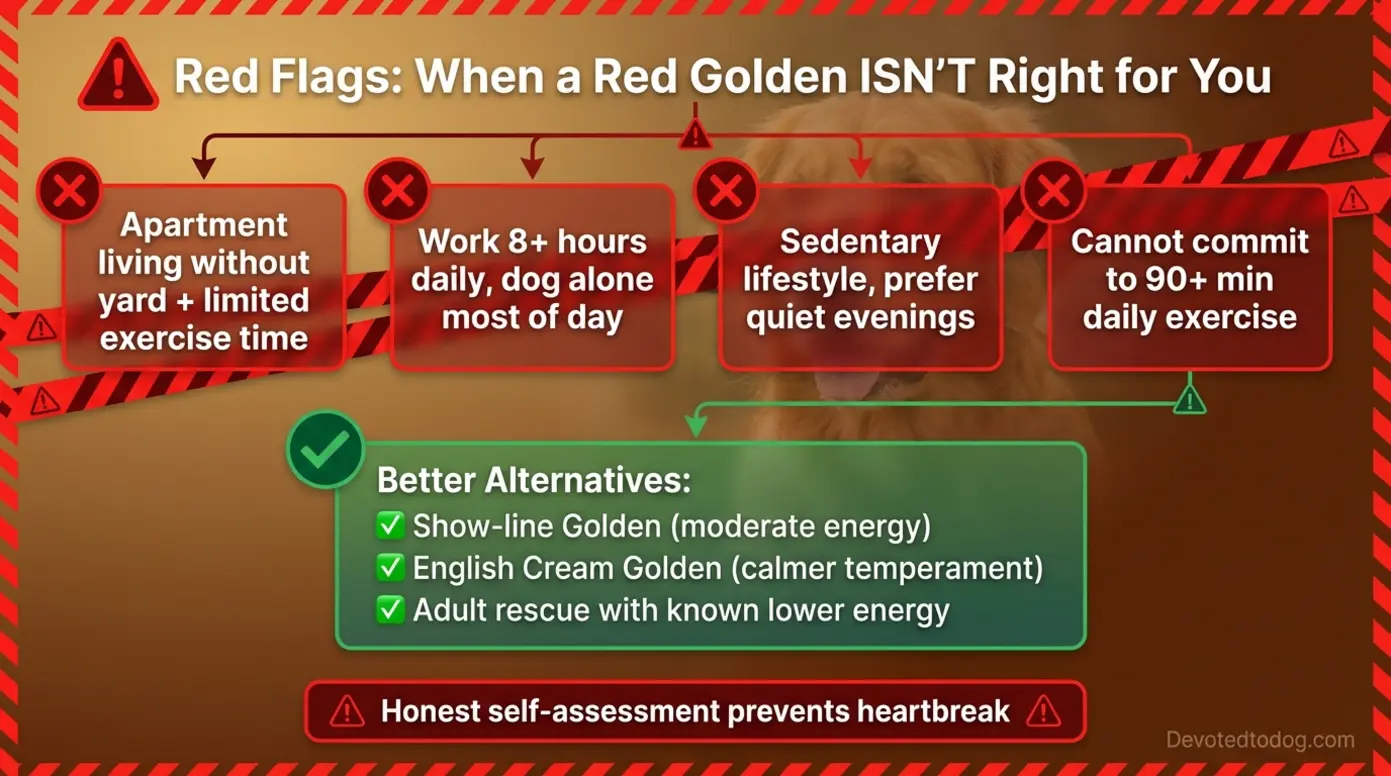
Lifestyle and Environment Mismatches
Apartment living without yard access creates significant challenges for field-bred red Goldens. While Goldens can adapt to apartments if their exercise needs are met through daily walks, runs, and trips to dog parks, the reality is that most apartment dwellers can’t provide the 1-2 hours of vigorous daily exercise these dogs require. The lack of a yard means every bathroom break requires leashing up and going outside, which becomes burdensome in bad weather or late at night. The energy a field-bred Golden brings to a small space can feel overwhelming. Owners who work long hours face similar challenges. A dog left alone 8-10 hours daily, five days a week, doesn’t have adequate opportunity for exercise, interaction, or mental stimulation. Hiring a dog walker helps but doesn’t replace the companionship and activity these social, energetic dogs need. The result is often a frustrated, anxious dog who develops behavioral problems. If your work schedule involves long hours away from home and you can’t arrange doggy daycare or midday exercise, a high-energy field-bred Golden isn’t a realistic choice. Sedentary owners who prefer quiet evenings on the couch and minimal outdoor activity will find themselves mismatched with a field-bred red Golden. These dogs were bred to work all day retrieving waterfowl,they need owners who hike, run, swim, or engage in active outdoor activities. If you’re unsure whether you can meet these exercise needs, consult a professional dog trainer or behaviorist to assess your lifestyle fit before committing. The honest answer might be that a different breed or a lower-energy Golden variation better suits your circumstances.When to Consider Alternative Golden Retriever Types
Show-line Goldens offer the same friendly temperament and loyal nature as field-bred reds but with moderate rather than high energy levels. These dogs still need daily exercise, they’re not couch potatoes, but they’re content with 45-60 minutes of activity rather than the 90+ minutes field-bred dogs demand. For families seeking Golden temperament without field-line intensity, show-line dogs provide an excellent alternative. The lighter gold color that predominates in show lines is simply part of the package; focus on the breeding line and energy level rather than coat color. English Cream Goldens, bred primarily in Europe and increasingly popular in the United States, are known for calmer, gentler temperaments compared to American field lines. For detailed information about this variation, see our guide on learning about English Cream golden retrievers. These dogs maintain the breed’s friendly nature but with less intensity and drive, making them well-suited for families with children, seniors, or anyone seeking a more relaxed companion. Senior or adult Goldens from rescue provide another excellent option because their energy level and temperament are already established. You can select a dog whose actual behavior matches your lifestyle rather than guessing how a puppy will develop. Many adult rescue Goldens are surrendered not because they’re problematic but because their previous owners couldn’t meet their needs. These dogs often flourish in appropriate homes. The key is choosing the right dog for your situation rather than forcing a high-energy field-bred red into a lifestyle where they can’t thrive.Frequently Asked Questions
How rare is a red golden retriever?
Red or mahogany-colored Golden Retrievers are the rarest color variation within the breed. Their deep red hue results from a recessive genetic trait that is less common than the standard lighter gold coats. Most Golden Retrievers fall into the light to medium gold range, making dark reds relatively uncommon. However, they are still purebred Golden Retrievers, not a separate breed. The rarity stems from breeding practices rather than genetic mutations,field breeders preserved these darker colors while show breeders favored lighter golds.What is a red golden retriever called?
A Red Golden Retriever is often called a “Mahogany Golden Retriever” due to its deep, reddish-brown coat. While they are purebred Golden Retrievers, their color is at the darkest end of the breed’s spectrum. The AKC officially registers them as “dark golden” rather than “red.” Some breeders also use terms like “field golden” or “dark red golden,” but these all refer to the same color variation within the breed standard.How much is a red golden retriever?
Red Golden Retriever puppies from reputable breeders typically cost between $1,500 and $3,500. The final price depends on factors like the breeder’s reputation, the dog’s pedigree, health testing performed on the parents, and included services (vaccinations, microchipping, health guarantees). Backyard breeders may charge $800–$1,500, but this often means fewer health screenings and less socialization. Investing in a reputable breeder reduces long-term health costs and behavioral issues.Are red Goldens more hyper?
Red Golden Retrievers are not inherently more hyper, but they often come from field-bred lines selected for higher drive and energy. This breeding focus on working ability means they may be more focused, athletic, and energetic than show-line Goldens. However, individual temperament varies widely by dog and breeder. A red Golden from a show line may be calm, while a light-colored field Golden can be very active. Breeding line matters more than coat color.What health problems do red Goldens have?
Red Golden Retrievers share the same health risks as all Golden Retrievers, regardless of coat color. Common concerns include hip and elbow dysplasia, various forms of cancer (hemangiosarcoma and lymphoma), heart conditions like subvalvular aortic stenosis, and eye issues such as progressive retinal atrophy. Responsible breeding with OFA health clearances and regular veterinary check-ups are crucial for early detection and management. Coat color does not influence disease susceptibility.What other names are red Golden Retrievers called?
You’ll see Red Golden Retrievers sold and described under many different terms, but they all refer to the same dog: a Golden Retriever with a coat at the deep-red end of the AKC standard. Common variants include Fox Red Golden Retriever, Dark Red Golden Retriever, Red Coated Retriever, Red Coat Golden Retriever, Red Haired Golden Retriever, Reddish Golden Retriever, Red Long Haired Golden Retriever, Red Coloured Golden Retriever, and Red American Golden Retriever. Some breeders use marketing terms like “fox red” or “fluffy red golden retriever puppies” to suggest a distinct line, but no kennel club recognizes any of these as separate breeds. They all describe the same coat color spectrum, from rich gold-red through deep mahogany. If a breeder lists puppies under any of these names, ask for AKC registration paperwork on both parents to confirm you’re getting a standard, health-tested Golden Retriever.What’s the difference between Fox Red, Dark Red, and Mahogany Golden Retrievers?
All three describe shades within the AKC-recognized Golden Retriever color standard, just at different points along the deep-red spectrum:- Fox Red Golden Retriever: a rich, coppery red that resembles a red fox’s coat, often the deepest natural shade
- Dark Red Golden Retriever (or “Deep Red Dark Red Golden Retriever”): a darker mahogany tone, usually from American field-bred lines
- Mahogany Golden: warm reddish-brown, blending dark red with traditional gold
- Reddish Golden Retriever: a casual term for any Golden whose coat leans red rather than blonde or standard gold
How are red Golden Retriever puppies different from adults?
Red Golden Retriever puppies look noticeably different from adult dogs in three ways: coat color, coat texture, and size. A red golden retriever puppy typically has a lighter, fluffier coat that deepens and gets shorter (relative to body) by 12-18 months. So a red golden retriever puppy you see at 8 weeks will likely look closer to dark mahogany by adulthood. Newborn red golden retriever puppies are even paler at birth, with their adult color emerging over the first 8-12 weeks. When evaluating “puppy red golden retriever” or “red retriever puppies for sale” listings, ask the breeder for photos of both parents, since a puppy’s adult coat color tracks the parents far more reliably than its current shade.Is a Red Golden Retriever Right for You?
Red Golden Retrievers are rare, purebred variations from field-bred lines, not a separate breed or designer mix. They share the same health risks as all Golden Retrievers,cancer, hip dysplasia, heart conditions,making health testing of parent dogs essential when selecting a breeder. These dogs require active lifestyles with 1-2 hours of daily exercise and mental stimulation, making them ideal for athletic families but challenging for sedentary households. Reputable breeders who prioritize health clearances and temperament over coat color are non-negotiable for getting a healthy, well-adjusted puppy. This guide has separated myth from fact using official AKC breed standards, GRCA health research, genetic studies, and veterinary literature. You now understand that the “hyper red” stereotype reflects breeding line (field vs. show) rather than coat color, that red Goldens aren’t prone to unique health issues, and that the $1,500-$3,500 price range from quality breeders reflects critical health testing and socialization that cheaper puppies lack. This evidence-based knowledge helps you make an informed decision rather than relying on breeder marketing or online myths. If you’re an active family ready for a loyal, energetic companion, start by researching reputable breeders in your region who perform OFA health testing, genetic screening, and proper puppy socialization. If you have questions about whether a red Golden fits your lifestyle, consult a professional dog trainer or veterinarian for an honest assessment. Whether you choose to buy from a breeder or adopt from rescue, the key is matching the dog’s energy level and needs to your actual lifestyle rather than your idealized vision of dog ownership.Curious where the breed comes from? Read the breed’s Scottish origins.