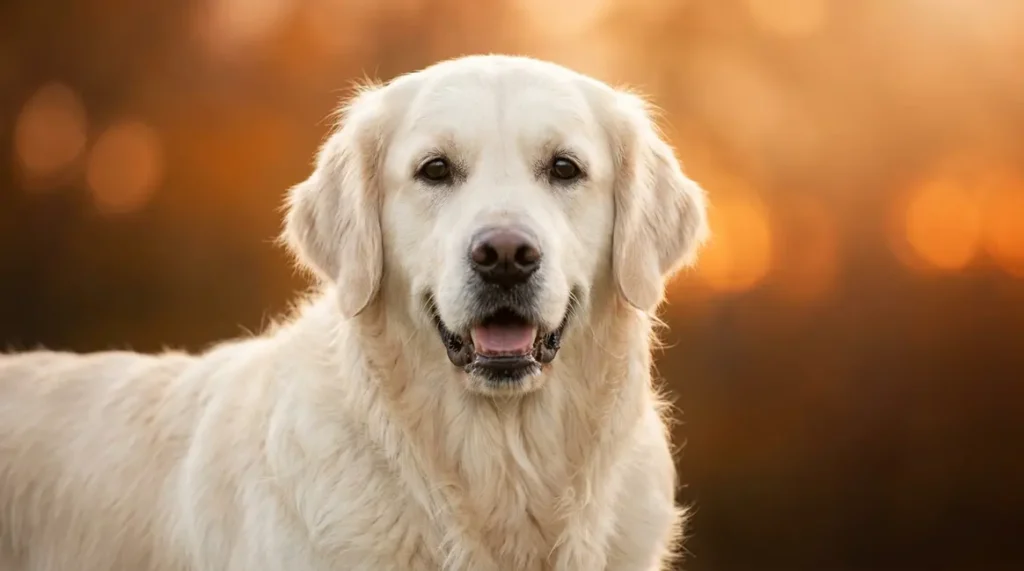
“he’s my first ever golden retriever so i know nothing lol. he is so fluffy it’s unreal 🤣❤️”
If you’ve ever buried your face in a Golden Retriever’s neck and thought “how is this even real,” you are absolutely not alone, and there’s actual science behind it.
Many people assume a fluffy golden retriever is a special breed, a designer mix, or some rare find. None of that is true. Every Golden is naturally fluffy. Some are just dramatically more so, and that difference comes down to three specific, science-backed factors we call The Fluff Formula.
In this guide, you’ll discover exactly what creates that signature fluffiness, how it changes as your dog grows, and how to keep it looking its absolute best. We’ll cover coat genetics, the four Golden types, tail anatomy, the puppy-to-adult timeline, step-by-step grooming, and the biggest myth in the Golden Retriever community.
- English Cream Goldens typically look the fluffiest due to denser, fuller coats
- Puppy fluff peaks between 3–6 months, then transitions to the adult coat by 18 months
- Brushing 2–3x per week with an undercoat rake maintains maximum volume
- “Fluffy Golden Retriever” is not a separate breed, it’s a coat variation within the breed
What Makes a Golden Retriever Fluffy?
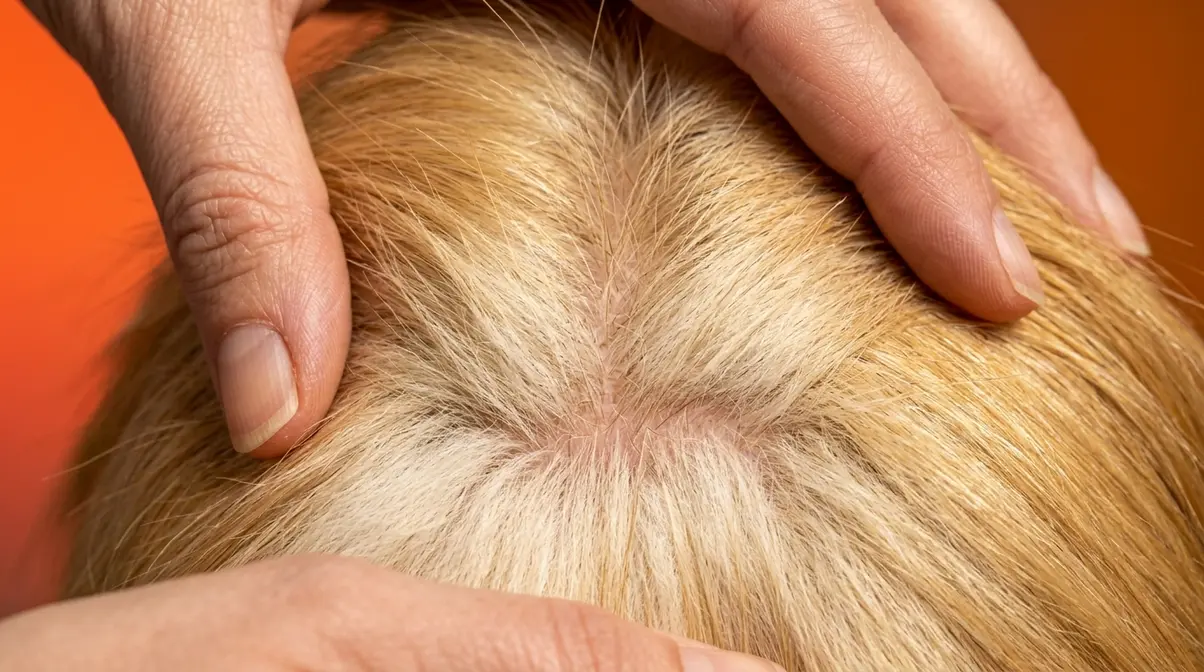
A fluffy golden retriever gets its signature look from a dense double coat, a soft, thick undercoat beneath longer guard hairs on top. The American Kennel Club confirms that double-coated breeds possess a dense undercoat for insulation and a longer topcoat that together create a thick, fluffy appearance. These two layers work together to create the irresistible “floofy” texture you simply cant stop touching.
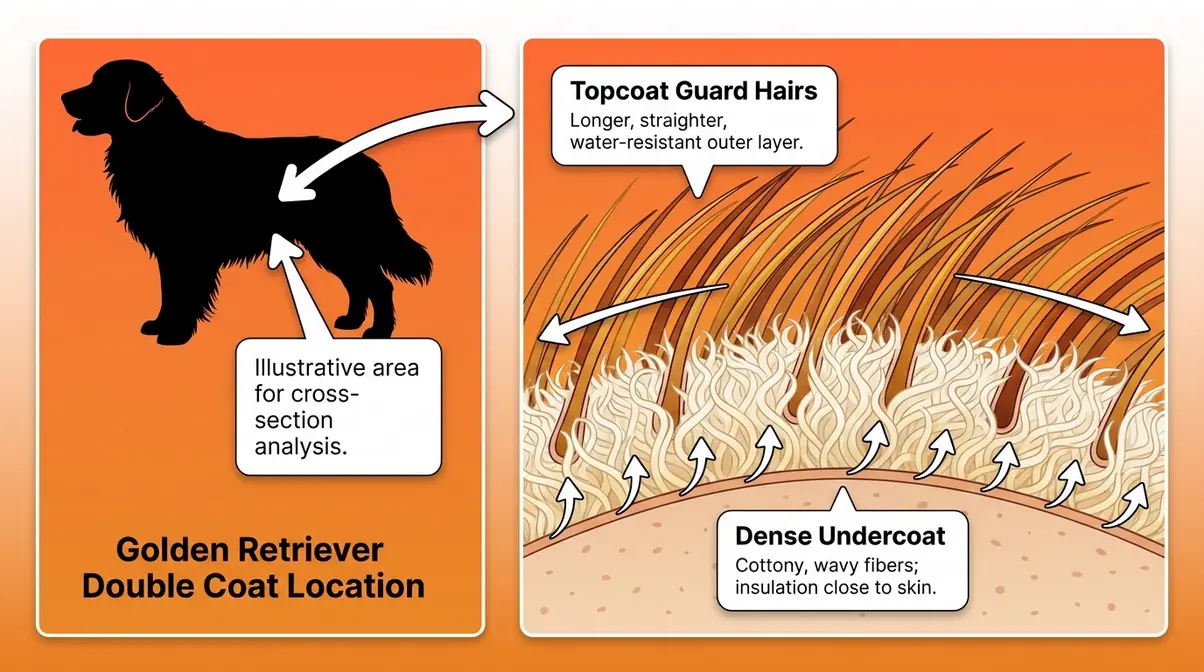
Double Coat: Undercoat & Topcoat
A golden retriever fluffy appearance starts from the inside out, literally. The undercoat is the dense, soft layer closest to the skin. It feels cottony, cloud-like, and it insulates your dog against both cold and heat. When you run your hand through a Golden’s coat and your fingers seem to disappear, that’s the undercoat doing its job.
The topcoat (also called guard hairs) sits on top, longer, slightly coarser, and naturally water-repellent. This is the golden, feathered layer you see gleaming in every photo. Together, both layers create that big fluffy golden retriever look that stops people on the street.
Here’s why this matters for you as an owner: the undercoat is also the layer that sheds. Understanding these two distinct textures helps you groom smarter, you’ll know exactly which tool to reach for and why. We’ll cover that in detail later. For now, explore our guide to Golden Retriever coat types to see how coat texture varies across the breed.
FGF5 Gene: Why Some Are Fluffier
So why does one fluffy golden retriever look like a walking cloud while another from the same breed looks noticeably less fluffy? The answer is in their DNA.
The FGF5 gene, short for fibroblast growth factor-5, controls coat length in dogs. According to the UC Davis Veterinary Genetics Lab, five recessive variants in the FGF5 gene are associated with the long hair phenotypes that give dogs their fluffy appearance. “Recessive” simply means both parents need to pass on the variant for it to show up in the puppy.
This brings us to The Fluff Formula, the article’s core framework for understanding why your Golden looks the way it does. Three factors combine to determine fluffiness: (1) which FGF5 variants a dog inherited, (2) how dense the undercoat grows, and (3) how old the dog is. You can’t change your dog’s genetics, but you can absolutely maximize factors 2 and 3 through grooming and nutrition, and that’s exactly what the rest of this guide covers.
A fully grown fluffy golden retriever that scores high on all three factors is the result of genetics working in its favor from birth, not luck, and not a special breed designation.
- 3 genes (FGF5, KRT71, RSPO2) primarily determine a dog’s coat length and type, per AKC research
- 5 recessive FGF5 variants drive long-hair phenotypes in dogs (UC Davis Veterinary Genetics Lab)
- 4 Golden Retriever types (English Cream, American, Canadian, Field) vary measurably in coat density
- 18 months for the full adult double coat to establish
- 2 to 3 times per week brushing maintains coat volume year-round
- 2 blowout seasons per year (spring + fall), 2 to 3 weeks each, when the undercoat sheds in clumps
4 Golden Coat Types: Which is Fluffiest?
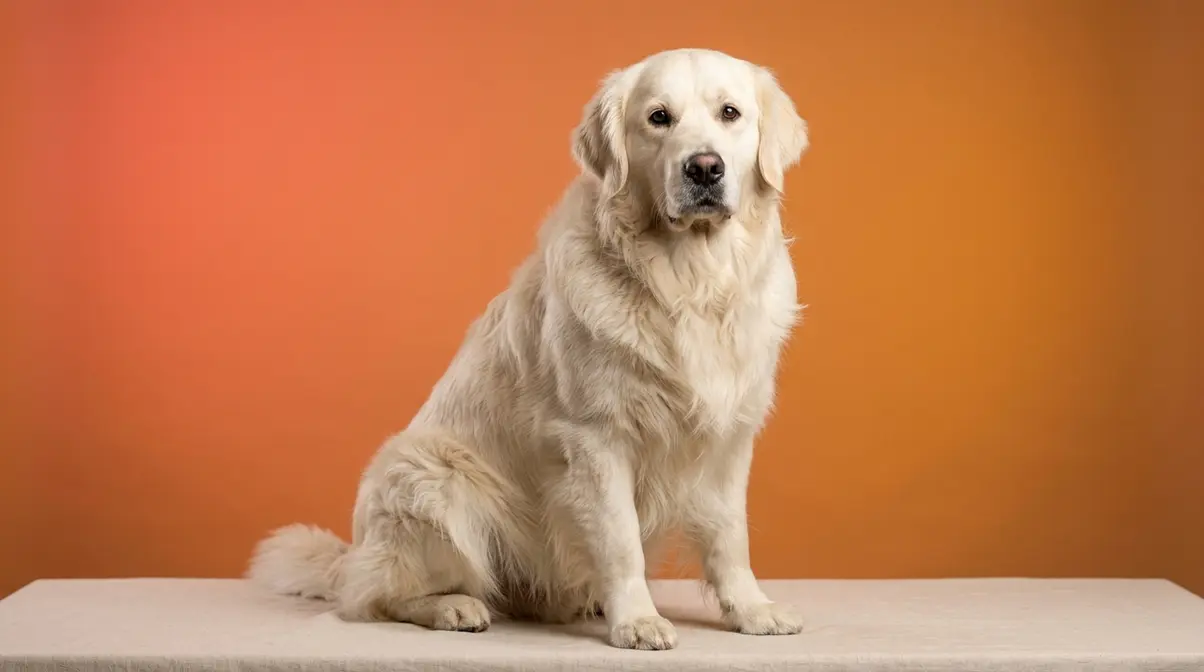
Not all Golden Retrievers are equally fluffy, and the difference comes down to breeding line. Four distinct Golden types exist, each with its own coat characteristics. Understanding which type you have (or are looking for) directly predicts how high that dog will score on The Fluff Formula.
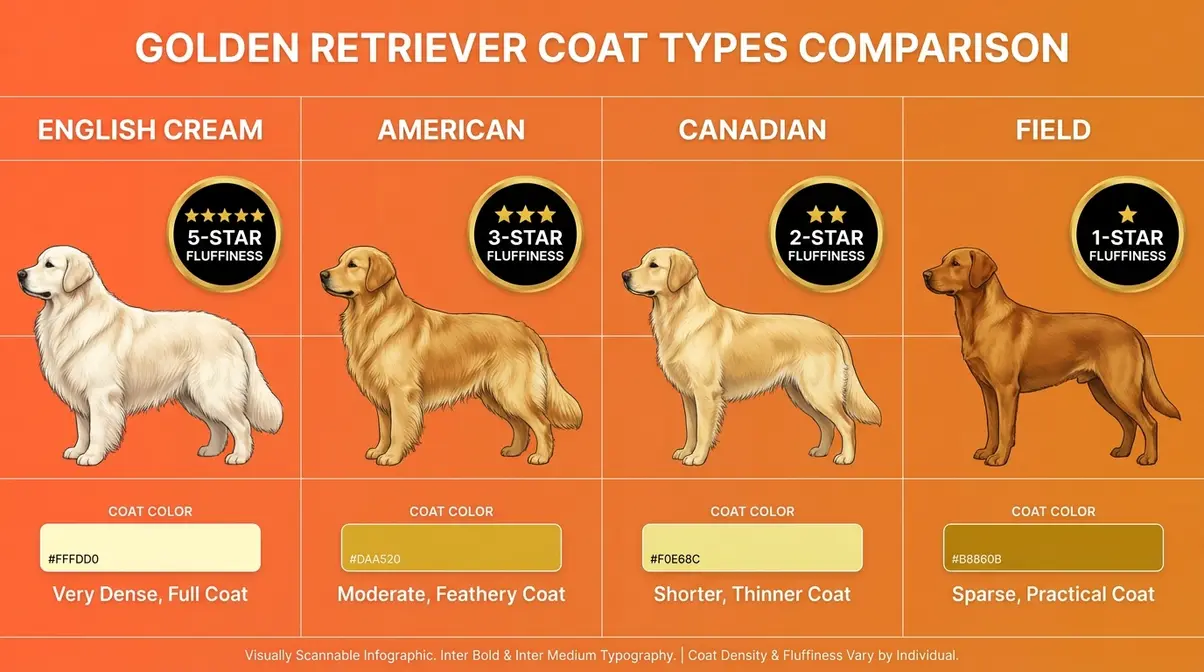
English Cream vs. Other Golden Lines
Here’s how the four types stack up:
| Type | Coat Color Range | Coat Density | Fluffiness Level |
|---|---|---|---|
| English Cream (British) | Pale cream to light gold | Very dense, full | ⭐⭐⭐⭐⭐ Fluffiest |
| American | Medium to dark gold | Moderate, feathery | ⭐⭐⭐ Moderate |
| Canadian | Light to medium gold | Thinner, shorter | ⭐⭐ Less fluffy |
| Field | Medium to dark gold | Sparse, practical | ⭐ Least fluffy |
English Cream Goldens (also called the British Golden, a stockier, paler-coated type bred to show-ring standards) consistently produce the densest, fullest double coat of all four Golden types, making them the fluffiest-looking purebred Goldens. The reason is threefold: their stockier build provides more surface area for the coat to spread across, their undercoat is significantly denser, and show-ring breeding has selected for coat fullness over many generations. According to the American Kennel Club, three genes, FGF5, KRT71, and RSPO2, primarily determine a dog’s coat length and type, with show-line breeding amplifying dense coat traits over generations. English Cream Goldens score highest on all three Fluff Formula factors: favorable FGF5 variants, denser undercoat, and earlier feathering development.
American Golden Retrievers (the lankier, more golden-colored type most common in the U.S.) have a beautiful feathery coat, but it’s more moderate in density. You’ll sometimes see what owners describe as “whispy coats” in this line. Canadian Goldens trend toward a shorter, thinner coat overall. Field Goldens, working-line dogs bred for hunting and retrieving rather than show, have the sparsest, most practical coats of all. If you’ve seen photos of a “super fluffy golden retriever” that looks like a walking cloud, it’s certainly an English Cream.
One quick myth to address here: a “black golden retriever” is not a purebred Golden. True Goldens only come in gold, cream, and red shades. A black dog of similar build is always a Flat-Coated Retriever or a mix. For a full breakdown, see our guide to different types of Golden Retrievers and the specifics of English Cream Golden Retriever characteristics.
Once you know the type, the next thing to look at, and perhaps the most Instagram-worthy feature of any Golden, is that magnificent, feathered tail.
What Makes the Fluffy Golden Tail So Distinctive?
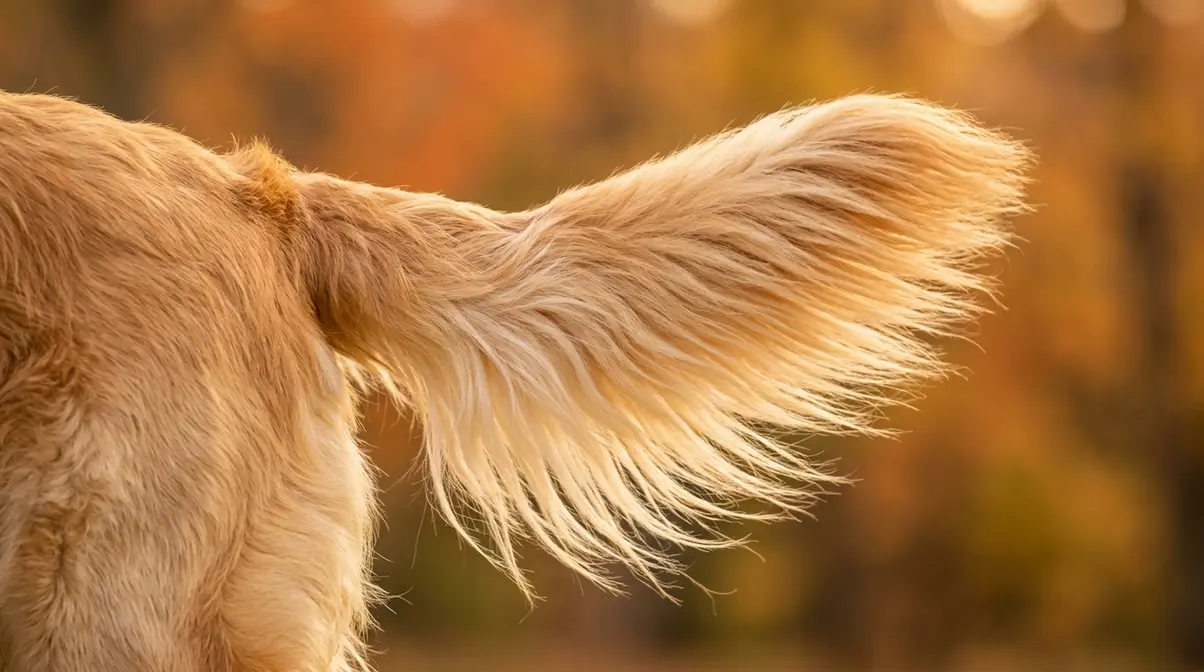
There’s a reason Golden Retriever tails have their own fan clubs on social media. That flowing, feathered plume, swinging at full speed, is one of the breed’s most recognizable features. The long, silky hair along the tail’s sides and underside is called feathering, and it’s part of the same double-coat system that makes the rest of your Golden so irresistible.
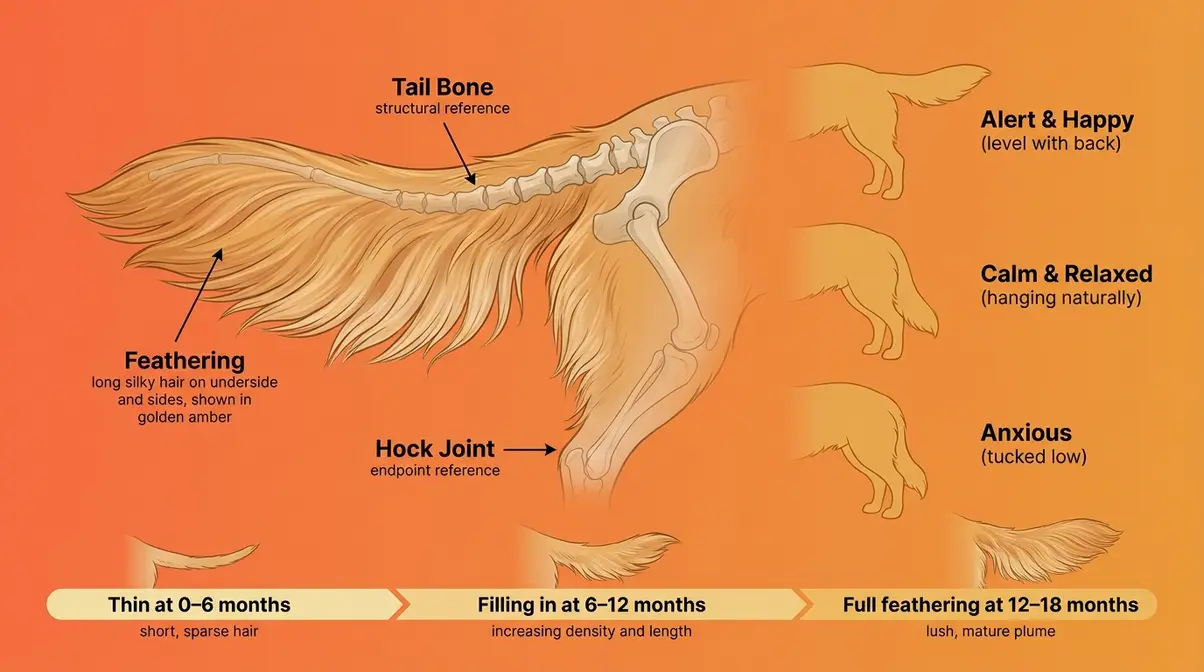
The Golden Retriever Club of America breed standard confirms that a Golden’s tail should reach to the hock joint, carried level with the back, and that dense, water-repellent double coat naturally develops as the puppy matures, including tail feathering. Tail carriage also communicates your dog’s mood: level with the back means alert and happy; hanging naturally means calm and relaxed; tucked low signals anxiety or submission. These are useful signals for any first-time owner to recognize.
If your puppy’s tail looks thin or “non fluffy” right now, that’s completely normal. Tail feathering is typically the last part of the coat to fully develop, filling in between 12 and 18 months, the same timeline as the rest of the adult coat. Tails on field-line Goldens also tend to have sparser feathering than show-line or English Cream Goldens, which ties directly back to The Fluff Formula: the same FGF5 genetics that govern body coat length also determine how full that tail feathering grows.
Speaking of timing, when exactly does all this fluffiness reach its peak? The answer might surprise first-time Golden owners.
When Does a Golden Retriever’s Fluff Peak?
“When will my Golden Retriever get fluffy?” It’s one of the most common questions in every Golden Retriever forum. The honest answer: your puppy is probably at peak fluffiness right now, and it will look noticeably different in six months before getting even better.
Here’s the full timeline:
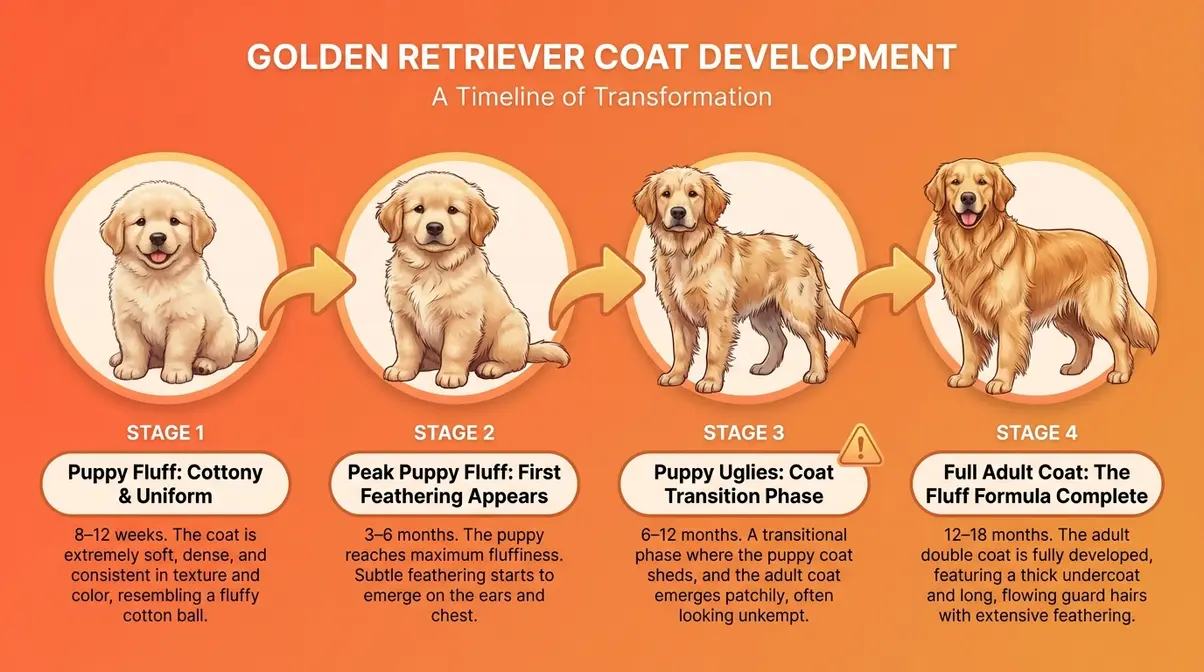
- Birth–3 months: Soft, single-layer puppy coat. Uniform, cottony texture all over.
- 3–6 months: Peak puppy fluff. The puppy coat is at its densest, and the first adult feathering begins appearing on the ears, chest, and tail.
- 6–12 months: The “puppy uglies.” The soft puppy coat sheds out as the adult double coat grows in, expect patchy, uneven texture.
- 12–18 months: Full adult coat establishes. This is when The Fluff Formula reaches its final form for your individual dog.
Peak Puppy Fluff: 3–6 Months
A fluffy golden retriever puppy between 3 and 6 months old is a special kind of soft. According to multiple breed resources and Golden Retriever breeder documentation, this window is when the soft, single-layer puppy coat, the one that feels like a stuffed animal, is at its densest, just before the adult double coat begins growing in. The texture is cottony and uniform, teddy-bear-like. This is also the “clumsy puppy” stage, and the round, fluffy coat matches the personality perfectly.
Around the 3-month mark, you’ll notice the first adult feathering beginning to appear on the ears, chest, and tail. This feathering transition is the first sign that The Fluff Formula is shifting from factor 3 (age) into its next phase. Tracking these Golden Retriever coat development stages helps you know exactly what to expect next.
But between 6 and 12 months, many owners panic, their dog suddenly looks less fluffy. Here’s why that’s completely normal.
18-Month Adult Coat Transition
Between 6 and 12 months, most Golden owners encounter what the community calls the “puppy uglies.” The soft puppy coat sheds out in patches as the adult double coat grows in unevenly. The coat may look patchy, less fluffy, or even a bit scraggly. During this phase, factor 3 of The Fluff Formula, age stage, is actively working against factors 1 and 2, which is why the coat temporarily looks less impressive than it did at 4 months.
By 18 months, the full adult double coat is established. Across Golden Retriever owner communities and breed club documentation, the consistent experience is that the adult coat arrives fuller and more impressive than the puppy coat, just different in texture. Show-line Goldens (including English Cream) tend to develop their adult coat faster and fuller than field-line Goldens. If your Golden comes from working lines, it may never look as fluffy as a show-line dog, and that’s genetics, not a grooming failure. Set realistic expectations early, and you’ll appreciate exactly the coat your dog was born to have.
Now that you know when to expect the fluff, let’s talk about how to maximize it. This is where your grooming routine makes a real difference.
Grooming a Golden for Maximum Volume
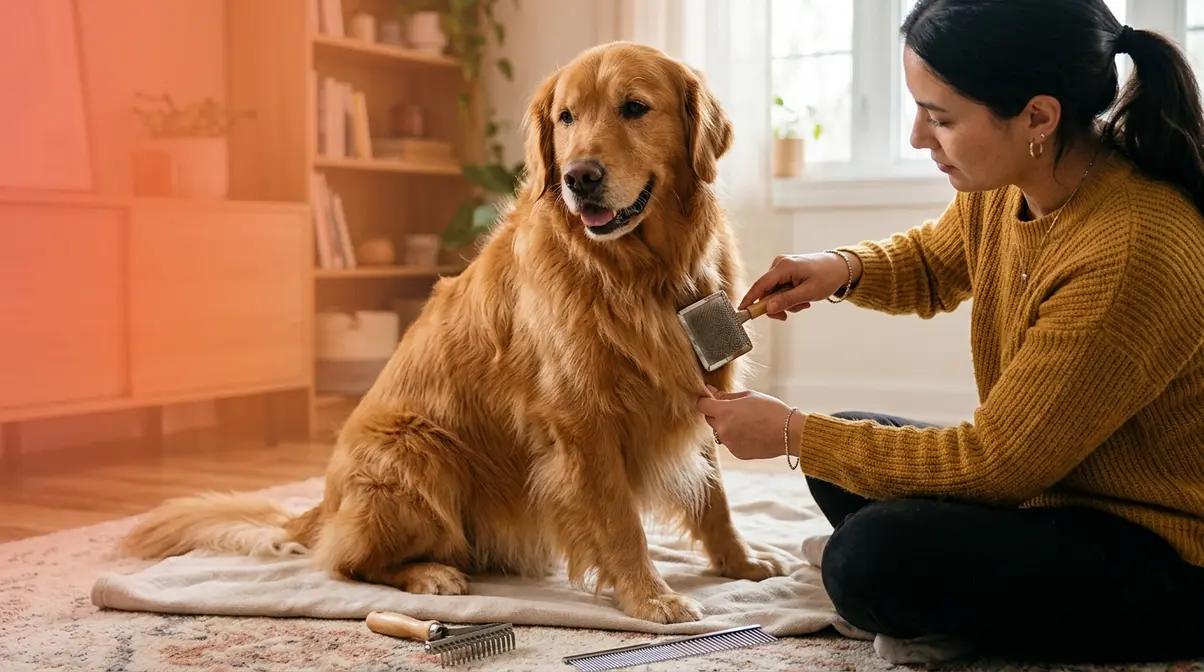
The right grooming routine can be the difference between a fluffy Golden and a matted, dull-coated one. The American Kennel Club recommends back-brushing the entire body with a pin brush to loosen dead undercoat and maintain coat health, a technique consistent with the pat-and-pull method described below. While you can’t change your dog’s genetics, consistent grooming directly improves factors 2 and 3 of The Fluff Formula: undercoat density maintenance and age-appropriate care.
Pat-and-Pull Brushing Method
Learning how to make your Golden Retriever fluffy starts with the right technique. The pat-and-pull method protects your dog’s skin while working through the undercoat layer by layer.
Here’s exactly how to do it:
Step 1: Section the Coat
Start at the hindquarters and work forward toward the head. This follows the coat’s natural growth direction.
Step 2: Hold the Fur Taut
Grip the fur at the root with one hand (the “pat”). This crucial step prevents the brush from yanking at the skin.
Step 3: Draw the Slicker Brush
Use a flat paddle-style brush with fine, short wires. Pull it through the section from root to tip in short, gentle strokes.
Step 4: Work Through Each Section
Continue brushing until the tool passes through without resistance or snagging.
Step 5: Follow With the Undercoat Rake
Use this wide-toothed grooming tool on dense areas like the chest, haunches, and behind the ears.
Step 6: Finish With a Wide-Tooth Comb
Do a final pass to check for any remaining tangles or hidden mats.
The pat-hold at step 2 is the key differentiator. It prevents pulling at the skin, which causes pain and quickly makes dogs brush-resistant. As Brianna York, Vet Tech, frequently reminds new Golden owners, “the dogs who become brush-averse adults were the puppies whose skin got tugged in those first 6 months, not the ones with sensitive coats.” Brushing 2 to 3 times per week maintains coat volume and prevents the mats that flatten the coat’s natural fluffiness. Find our full breakdown of the best brush for Golden Retrievers to pair the right tools with this technique.
Brushing maintains the coat, but twice a year, your Golden will shed its entire undercoat, and that requires a different approach entirely.
Shedding Seasons & Undercoat Rake
Golden Retrievers shed moderately year-round, with two major shedding seasons each year, typically spring and fall, when the undercoat “blows” in large clumps (Halo Collar, 2026). These blowout periods last approximately two to three weeks and represent the most intensive grooming demand of the year. Daily moderate shedding the rest of the year is completely normal and is not a sign of poor coat health.
During blowout season, switch from the slicker brush to the undercoat rake, or a dedicated deshedding tool, and use it daily. The technique: light, long strokes in the direction of hair growth, without pressing hard against the skin. The rake reaches through the topcoat to pull out the loosening undercoat before it ends up on your furniture. Heavy shedding can temporarily make a Golden look less fluffy, which is why owners sometimes worry their dog has become a “non fluffy golden retriever”, but the volume returns once the new coat grows in.
If your Golden is leaving fur tumbleweeds around the house, that’s blowout season, not a health problem.
Beyond brushing and deshedding, what you feed your Golden has a direct impact on coat quality.
Omega-3 Nutrition & Bathing Schedule
Learning how to make your Golden Retriever’s coat fluffy isn’t just about brushing, diet plays a measurable role. Omega-3 fatty acids (healthy fats found in fish oil and certain dog foods that support skin and coat health) are well-supported by veterinary research. The American Kennel Club confirms fish oil supports silky coats and reduces itchy, flaky skin, and PetMD notes it helps reduce the inflammation associated with dry skin that causes coat dullness and breakage. A brittle, dull coat can signal omega-3 deficiency. Always consult your veterinarian before adding supplements to your dog’s diet.
For bathing, a monthly schedule with a volumizing or coat-specific dog shampoo works well for most Goldens. Over-bathing, more than every two to three weeks, strips the natural oils from the coat and reduces that signature fluffiness. The Golden Retriever Club of America notes that excessive grooming or sculpting is considered unacceptable by breed standards, the goal is a naturally healthy coat. After every bath, blow-dry on low heat; air-drying causes the coat to lie flat and lose its volume. For more on understanding Golden Retriever coat changes across different life stages, our coat types guide covers every variation in detail.
With all this talk of fluffy Goldens, it’s time to address the biggest misconception we see in every comment section and forum thread.
Myth-Bust: Is a Fluffy Golden a Breed?
At Devoted to Dog, the most common fluff-related question we receive from new owners is some version of “did I get a different breed?” The answer is no, and that confusion is exactly why we built The Fluff Formula. Despite what some breeders and social media posts suggest, a “fluffy Golden Retriever” is not a special breed, a designer variation, or a rare type. It is a standard Golden Retriever. Full stop. The “fluffiness” is simply where that individual dog lands on The Fluff Formula, genetics, undercoat density, and age stage combining to produce maximum coat volume.
The confusion most often comes from two popular mixed breeds. The Goldendoodle (a Golden Retriever × Poodle cross known for its wavy or curly, low-shedding coat) looks different from a purebred Golden, its coat is curlier, often non-shedding, and distinctly mixed in texture. The Golden Mountain Dog (a Golden Retriever × Bernese Mountain Dog mix with an even fluffier, multi-colored coat) is larger and tricolored, beautiful, but not a Golden Retriever.
If a seller charges a premium for “extra fluffy” Golden Retriever puppies as if they’re a distinct type, that’s a marketing tactic, not a breed designation. The AKC recognizes one Golden Retriever breed, full stop. A fluffy golden retriever mix might be exactly what you want, but you deserve to know what you’re actually buying. If you are ready to bring a fluffy companion home, start by learning how to find a reputable Golden Retriever breeder to ensure you are buying from an ethical source.
Every Golden Retriever is already running The Fluff Formula, the question is just how high each factor scores.
The information in this article is for educational purposes only and does not constitute veterinary advice. Always consult a qualified veterinarian for health concerns specific to your dog.
Frequently Asked Questions
What is the fluffiest Golden Retriever?
The English Cream Golden Retriever (also called the British Golden) is widely considered the fluffiest type. This is due to its stockier build, denser undercoat, and fuller coat that show-ring breeding has selected for over generations. American Goldens have a more feathery, moderate coat, while Canadian Goldens tend toward a shorter, thinner coat. Grooming and genetics both play a role, so individual variation exists within each type.
What are the 3 Golden Retriever types?
There are three main types of Golden Retrievers: the British (English), the American, and the Canadian. The British type is stockier with a pale cream coat, the American is lankier with a feathery golden coat, and the Canadian is taller with a shorter, less dense coat. All three are the same breed recognized by the AKC, though coat density varies most between British and Canadian types.
How long do fluffy Goldens live?
A fluffy Golden Retriever lives the same lifespan as any Golden, typically 10 to 12 years (AKC). The coat’s fluffiness is determined by genetics and grooming, not by any health factor that would shorten or extend lifespan. Golden Retrievers as a breed are predisposed to certain health conditions, including cancer, which can affect longevity. Regular veterinary check-ups, a healthy diet, and appropriate exercise are the most reliable ways to support a long, healthy life.
What is the silent killer in Goldens?
The “silent killer” in Golden Retrievers is hemangiosarcoma, an aggressive cancer of the blood vessels. It earns this name because it typically develops without obvious external symptoms until it reaches an advanced, often life-threatening stage. Golden Retrievers have a significantly higher rate of hemangiosarcoma compared to most other breeds. Regular veterinary check-ups, including abdominal ultrasounds for at-risk dogs, are the best current screening approach.
Conclusion
That irresistible fluffiness you fell for the moment you met your Golden comes down to The Fluff Formula, three factors working together: the FGF5 gene variants your dog inherited, how dense the undercoat grows, and where your dog is in the coat development timeline. English Cream Goldens typically score highest on all three factors, making them the fluffiest-looking purebred Golden type. But with the right grooming routine, every Golden can maximize the fluff nature gave them.
Remember that moment from the introduction, burying your face in your Golden’s neck and thinking “it’s unreal”? That’s The Fluff Formula doing exactly what it’s designed to do. Genetics set the ceiling. Grooming, nutrition, and patience determine how close your dog gets to it.
Start with brushing 2–3 times this week using the pat-and-pull method, and check your Golden’s current coat stage against the 18-month timeline. If you want to go deeper on coat genetics and type differences, our Golden Retriever coat types guide covers every variation in detail, so you’ll always know exactly what to expect next.
If this topic interests you, our companion article on Golden Retriever Hunting: Complete Field Dog Guide (2025) covers more detail.
Readers comparing options often find our piece on Golden Retriever Coat Stages: The Complete Floof Timeline helpful for additional context.
For related background, see our guide on Golden Retriever Puppy Teeth: Growth Development Guide.
Related gear: see our guide to the right brush.