
 Generally, dogs are pretty lazy around the house. After a walk or a game of fetch in the yard, the first thing that your dog is likely to want to do is collapse on her bed or your couch and take it easy. If your dog isn’t lying down when she normally would, or if she is lying down with difficulty or assuming a strange position once she is down, you should rightly worry that something might be wrong.
There are a number of reasons why your dog may not be lying down. To figure out what is most likely for your dog, ask yourself some questions about your situation and your dog.
Generally, dogs are pretty lazy around the house. After a walk or a game of fetch in the yard, the first thing that your dog is likely to want to do is collapse on her bed or your couch and take it easy. If your dog isn’t lying down when she normally would, or if she is lying down with difficulty or assuming a strange position once she is down, you should rightly worry that something might be wrong.
There are a number of reasons why your dog may not be lying down. To figure out what is most likely for your dog, ask yourself some questions about your situation and your dog.
Why Your Dog Won’t Lie Down
Related Golden Retriever guides: 12 Best Dog Toys | Safest – Most Durable – Long Lasting Toys; Top 6 Best Dog Crates Reviews and Recommendation; How Much Exercise Does a Dog Need Every Day? [Including 26 Fun Indoor and Outdoor Workout Ideas].
Restlessness like this fits a larger developmental pattern we cover in our Golden Retriever behavior guide.
1. Has anything changed recently?
Did you get a new bed for your dog, lose or acquire a dog or other housemate, or make any other big changes? Some dogs are extremely sensitive to changes you may not even think of. A new chair or couch near your dog’s bed may deter her from lying in the bed. The loss of a companion may cause bad associations for your dog with her bed. Sometimes just moving your dog’s bed, getting a new bed, or putting something that smells like you in a new bed can make a big difference. Carefully think about when your dog began to change her behavior and examine your life for possible causes.2. Is your dog anxious?
 An anxious dog may pace around the house or room and refuse to lie down. You can tell if your dog is anxious if she is whining or vocalizing, panting and drooling excessively, and if she has trouble staying focused.
Pain and anxiety often look the same. If your dog knows the “down” command, you can tell if your dog is refusing to lie down out of anxiety or physical pain. Even if your dog doesn’t know the command, you can encourage her to lie down by prompting her with a treat or inviting her to lie down with you.
If your dog tries to lie down but stops or seems like she can’t, there is a good chance that it is pain that is keeping your dog up. If your dog can lie down easily but then pops up soon to pace again, the answer is more likely to be anxiety. Either way, it is a good idea to have your dog checked at the vet to rule out any physical causes.
An anxious dog may pace around the house or room and refuse to lie down. You can tell if your dog is anxious if she is whining or vocalizing, panting and drooling excessively, and if she has trouble staying focused.
Pain and anxiety often look the same. If your dog knows the “down” command, you can tell if your dog is refusing to lie down out of anxiety or physical pain. Even if your dog doesn’t know the command, you can encourage her to lie down by prompting her with a treat or inviting her to lie down with you.
If your dog tries to lie down but stops or seems like she can’t, there is a good chance that it is pain that is keeping your dog up. If your dog can lie down easily but then pops up soon to pace again, the answer is more likely to be anxiety. Either way, it is a good idea to have your dog checked at the vet to rule out any physical causes.
3. Is your dog in pain?
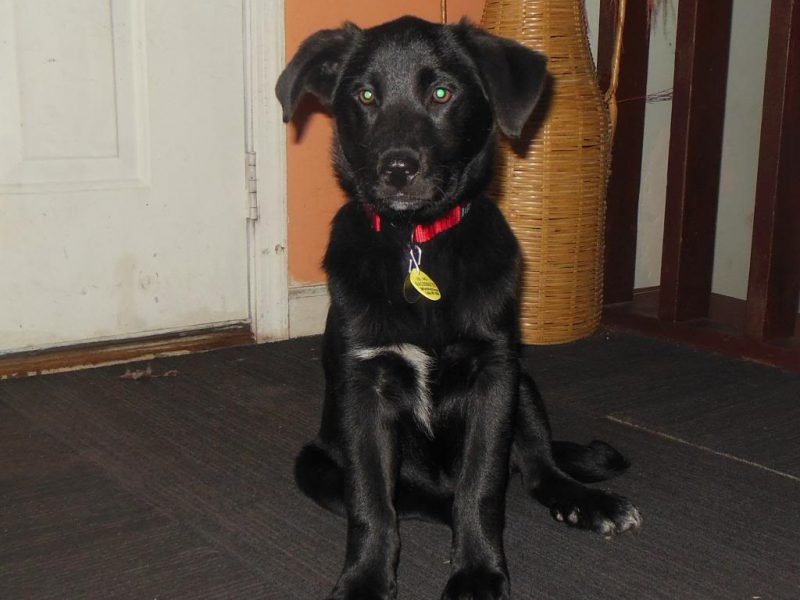 If your dog seems to be having trouble lying down or if she can’t seem to get comfortable when she is lying down, she may be experiencing pain. This is especially clear if your dog vocalizes when lying down or while lying down. There are a number of reasons why it may hurt your dog to lie down, and you should have your vet check your dog to find out why she is in pain.
Finding out what’s wrong can help you find a solution for your dog. Some dogs experience chronic pain, especially as they get older. Hip dysplasia, luxating patellas, and arthritis can all make it difficult for your dog to lie down.
If your dog seems to be having trouble lying down or if she can’t seem to get comfortable when she is lying down, she may be experiencing pain. This is especially clear if your dog vocalizes when lying down or while lying down. There are a number of reasons why it may hurt your dog to lie down, and you should have your vet check your dog to find out why she is in pain.
Finding out what’s wrong can help you find a solution for your dog. Some dogs experience chronic pain, especially as they get older. Hip dysplasia, luxating patellas, and arthritis can all make it difficult for your dog to lie down.
4. Is your dog getting older?
 Sometimes older dogs experience symptoms of dementia like sundown syndrome (source: AKC). Symptoms of dementia may be much reduced or even nonexistent during the day, but become more pronounced in the evening. Your dog may refuse to lie down or lie down and get up repeatedly. She may be inexplicably anxious, and cling to you, or be convinced of some non-existent danger which she barks at obsessively.
It can be very hard to go through the symptoms of dementia with your aging dog, but it is very common for older dogs to experience at least some signs of dementia. Combined with other older dog ailments like arthritis, these symptoms may make it difficult for your dog to lie down or rest throughout the night.
Sometimes sudden restless near the end of a dog’s life can indicate that your dog may be ready to pass on soon. If your dog is not in good health, make sure she is not in pain, but know that restlessness is a very normal part of the dying process.
Sometimes older dogs experience symptoms of dementia like sundown syndrome (source: AKC). Symptoms of dementia may be much reduced or even nonexistent during the day, but become more pronounced in the evening. Your dog may refuse to lie down or lie down and get up repeatedly. She may be inexplicably anxious, and cling to you, or be convinced of some non-existent danger which she barks at obsessively.
It can be very hard to go through the symptoms of dementia with your aging dog, but it is very common for older dogs to experience at least some signs of dementia. Combined with other older dog ailments like arthritis, these symptoms may make it difficult for your dog to lie down or rest throughout the night.
Sometimes sudden restless near the end of a dog’s life can indicate that your dog may be ready to pass on soon. If your dog is not in good health, make sure she is not in pain, but know that restlessness is a very normal part of the dying process.
What are some solutions?
As upsetting as it can be to deal with a dog who won’t lie down, it is comforting to know that there are some solutions to help your dog rest comfortably. Think about your dog’s situation and decide if one or more of these might be the best solution for your family.A New Bed
 An orthopedic dog bed can be a good solution for many older dogs, as the memory foam can relieve pressure on your dog’s sensitive joints and help align her spine. Younger dogs that seem uncomfortable in their bed may also benefit from an orthopedic bed. Heavy, tall dogs especially appreciate the extra support for their joints and padding for their elbows.
If your dog has trouble bending her joints to lie down, a raised bed can provide a good solution, letting your dog lie down without having to get all the way down to the floor. This is a particularly good idea for tall breeds like greyhounds and great Danes. If your dog doesn’t find a raised hammock style bed very attractive, you can pad it with a cozy blanket or dog bed.
An orthopedic dog bed can be a good solution for many older dogs, as the memory foam can relieve pressure on your dog’s sensitive joints and help align her spine. Younger dogs that seem uncomfortable in their bed may also benefit from an orthopedic bed. Heavy, tall dogs especially appreciate the extra support for their joints and padding for their elbows.
If your dog has trouble bending her joints to lie down, a raised bed can provide a good solution, letting your dog lie down without having to get all the way down to the floor. This is a particularly good idea for tall breeds like greyhounds and great Danes. If your dog doesn’t find a raised hammock style bed very attractive, you can pad it with a cozy blanket or dog bed.
Medication and Homeopathic Remedies
Your vet can prescribe medication for dogs experiencing pain, anxiety, or dementia. Medications can help dogs achieve a more relaxed state continuously, or be given at night time to help dogs sleep through the night. Your vet may suggest you try a mild antihistamine like children’s Benadryl to help a nervous dog sleep through the night, especially if itchiness may be partly to blame. There are also some natural, homeopathic remedies in the form of collars, sprays, oils, etc. that can relieve some pain and anxiety naturally. Topical ointments can help relieve joint pain while soothing aromatics reduce anxiety. A supplement like fish oil may also help your dog’s arthritis. You may want to try physical therapy, acupuncture, a chiropractor, or another homeopathic therapy for your dog. Such techniques may go a long way to reduce joint pain and help with hip dysplasia and other issues.Exercise and Routine
Many dogs experiencing anxiety or dementia can benefit from an exercise and living routine that helps them feel mentally and physically comfortable, and therefore more likely to sleep through the night. Choose an exercise routine that matches your dog’s ability level. Dogs with hip and joint problems can benefit from low impact, high resistance exercises like using balance balls or water exercise. Healthy, anxious young dogs who can’t seem to lie down may be calmed by vigorous exercise including a rigorous and fun training regiment. All dogs can benefit from a predictable training schedule that includes new learning as well as review of old material. Research has found that new, engaged learning can delay and reduce the symptoms of dementia in people, and there is no reason to think this shouldn’t be so for dogs as well.This article is general information, not veterinary advice. If your dog shows any of the signs above, or you have questions about your dog’s comfort or sleep, talk to your veterinarian.
Final Thoughts
It can be stressful for you and your dog when she won’t lie down, but with the help of your vet, you can identify why your dog won’t lie down and help find solutions that work. Be patient and watch your dog carefully to identify signs of pain or anxiety, and be prepared to try a few solutions including a new bed, new routine, and medications or homeopathic remedies.
I noticed my dog wouldn’t lie down on his own, went to the vet and he has an enlarged heart (dcm). Now this past month I’ve always put him to sleep carefully on his side or belly up which are his most confortable positions. Also he sleeps on my lap whenever I can. At night he gets up a lot and I wake up and lay him again. I love him.
????????
We have a big dog and he’s going through the same. The expression of his eyes is devastating.
I have 13 year old dashand going thru the same thing I agree Express in eyes is devastating he goes to vet monday I hope they can help him so we both can sleep