To wash a dog bed safely, identify your bed type first, then choose the right method: machine-wash a removable cover on a gentle cycle, hand-wash a non-removable bed in the bathtub, or spot-clean foam inserts only. This 7-step process takes 30-60 minutes depending on your method. The right approach depends entirely on what you’re washing, and that one decision prevents the most common mistakes.
Written by Coral Drake · Reviewed by Brianna York, Former Veterinary Technician · Last updated July 29, 2026 · Sources accessed July 2026
Your dog’s bed is probably the stinkiest item in your house right now. It’s matted with hair, it smells of wet dog, and it may not even fit in your washing machine. Most owners guess at the method, end up with a ruined bed or a clogged machine, and wonder why the smell comes back within a week.
Getting it wrong isn’t just frustrating. It can destroy an expensive bed, damage your washer, or leave behind the uric acid crystals that make urine odor return no matter how many times you wash. The good news is that washing any dog bed correctly is straightforward once you know which method applies to your specific bed.
By the end of this guide, you’ll know exactly how to wash a dog bed, removable cover, bulky stuffed bed, or memory foam insert, so you can stop guessing and start cleaning. The guide walks you through 7 steps: prep, cleaning agent selection, machine-washing, hand-washing, foam care, stain removal, and drying.
To wash a dog bed safely, always identify your bed type first, then follow the right method. Machine-washing works for most removable covers; hand-washing in a bathtub is the best option for large or non-removable beds; foam inserts must never go in the washer.
- The Bed Type First Rule: Check the care tag and identify your bed type before choosing a method. This single step prevents the most common washing mistakes.
- Pet-safe detergent: Use mild, unscented, dye-free detergent, or add ½ cup white vinegar to the rinse cycle for persistent odors.
- Foam inserts: Spot-clean only. Submerging foam destroys its cellular structure and creates a mold risk.
- Urine stains: Enzyme cleaners are essential. Regular detergent alone won’t neutralize uric acid crystals, and the odor will return.
- Drying: Air-dry completely before returning the bed to your dog; damp stuffing grows mold within 24-48 hours.
What You’ll Need Before You Start
Your dog’s bed falls into one of three types: a removable cover over an insert, a one-piece bed with no cover, or a foam or memory foam insert. The Bed Type First Rule is simple: always identify which type you have before you choose a washing method. That single decision determines everything that follows, and it’s the step most guides skip entirely.
As a general hygiene guideline, washing your dog’s bed every one to two weeks helps keep bacteria, allergens, and odor from building up, more frequently for dogs with skin conditions or incontinence. Gathering your supplies before you start saves time and keeps the process moving.
Estimated Time: 30-60 minutes (plus 24-48 hours air-drying for stuffed beds)
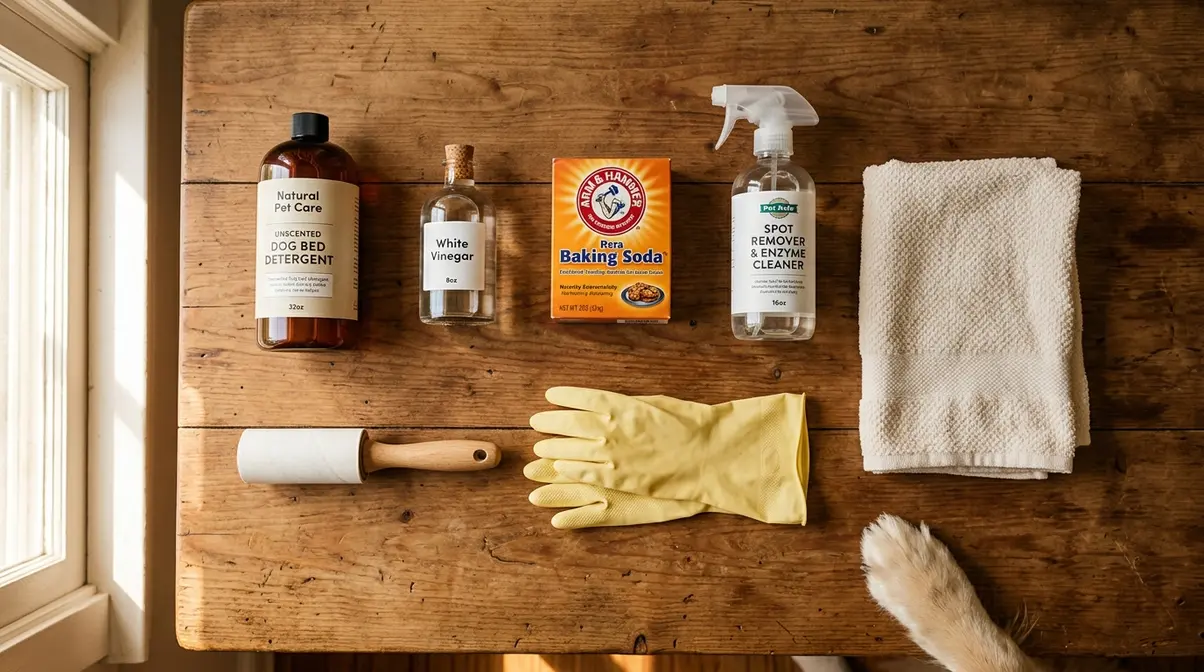
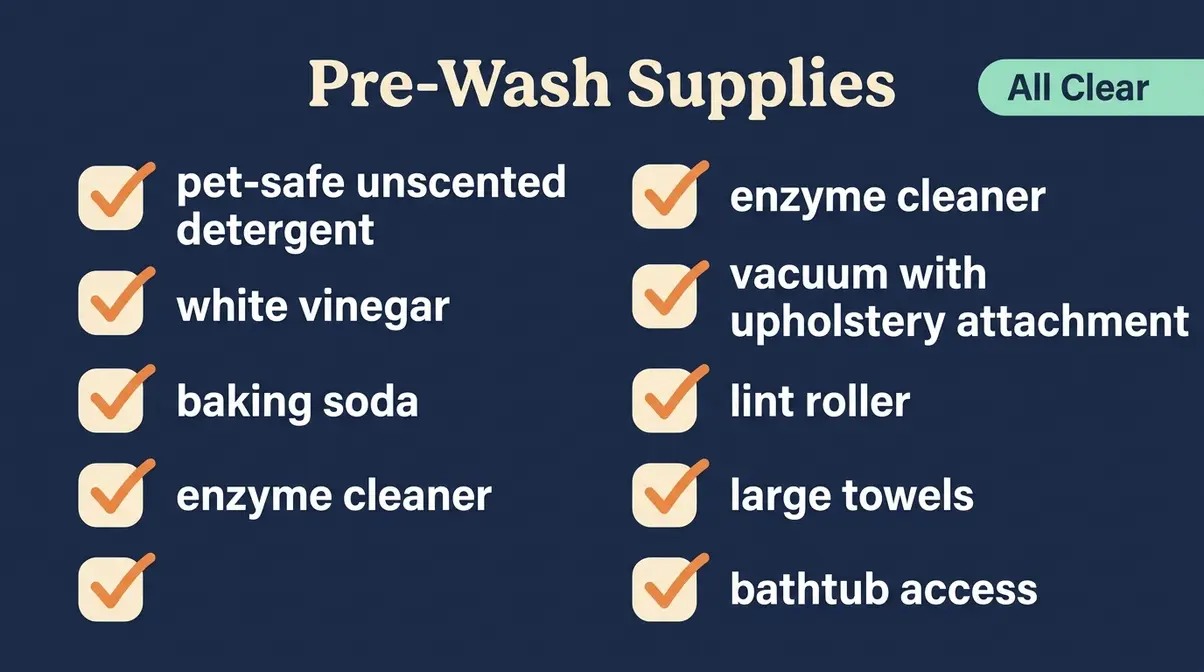
Supplies checklist:
- Pet-safe, dye-free, unscented detergent (or “free and clear” formula)
- White vinegar (½ cup per wash cycle)
- Baking soda (½ cup for pre-soak)
- Enzyme cleaner (for urine and organic stains)
- Vacuum with upholstery attachment or rubber glove
- Lint roller
- Large towels (for pressing water from hand-washed beds)
- Bathtub access (for large or non-removable beds)
If you’re also thinking about choosing a suitable dog bed for your dog’s next upgrade, that guide covers the full range of options.
Now that you’ve identified your bed type and gathered your supplies, start with Step 1.
Step 1: Remove Pet Hair and Check the Care Tag
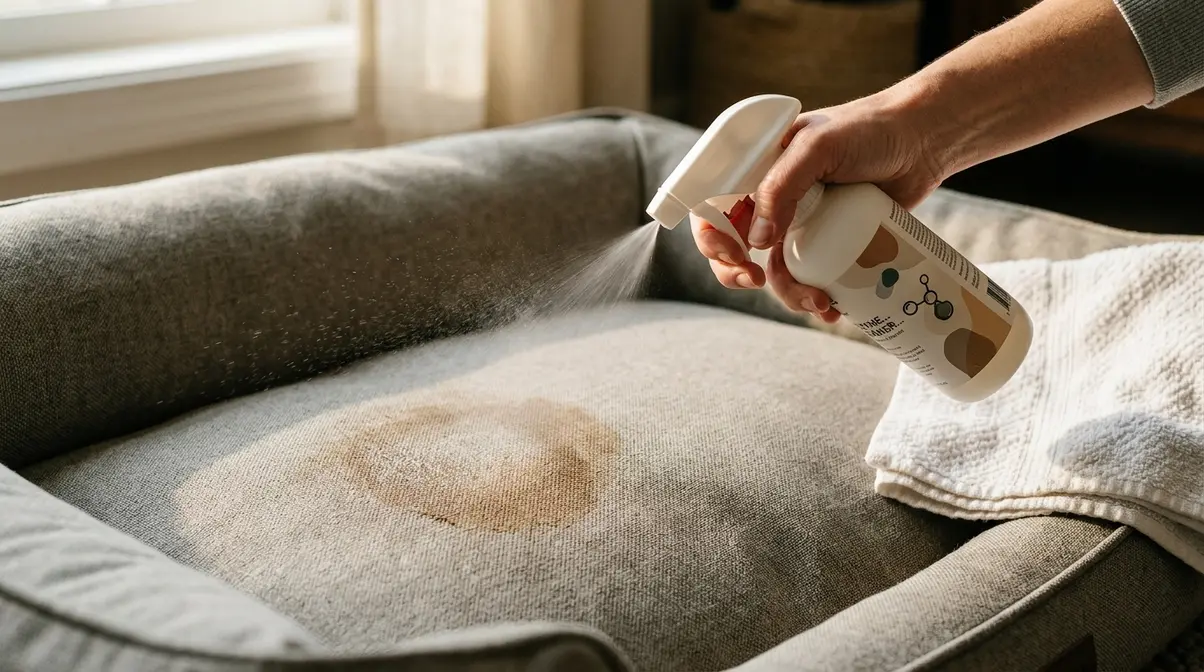
Before any water touches the bed, two things must happen: remove the hair and read the tag. Pet hair can clump around the drum seal and clog the pump filter of your washing machine, and the care tag tells you exactly which step to follow next. Skipping either one is the fastest route to a ruined bed or a damaged appliance. This is where The Bed Type First Rule begins.
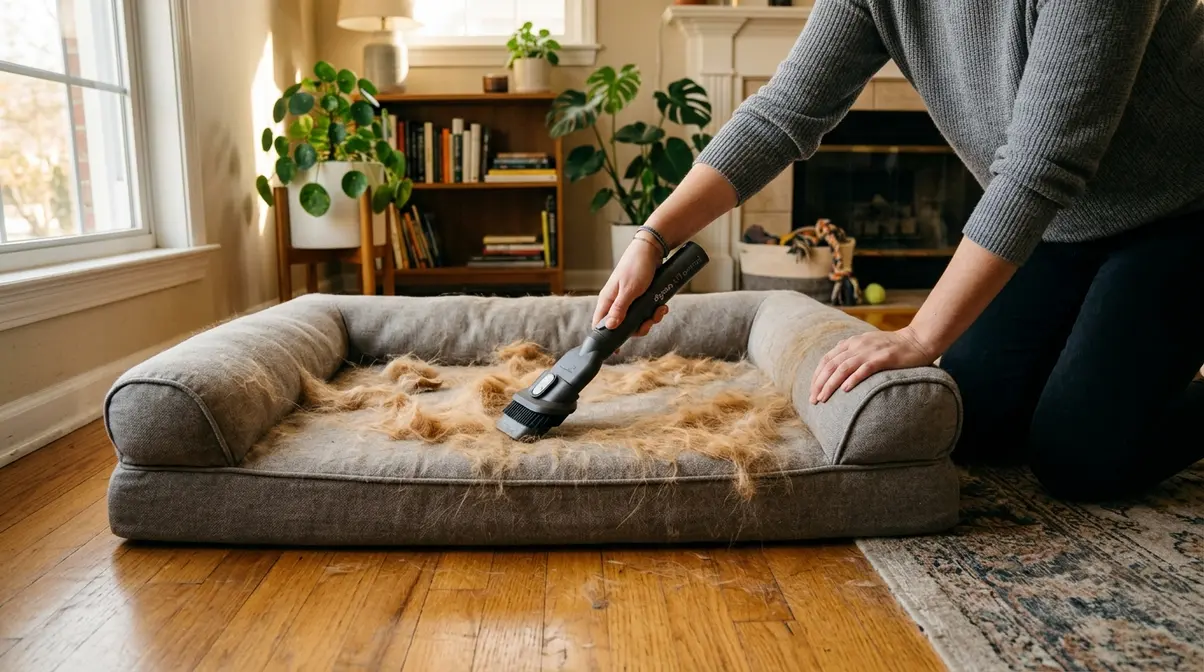
How to Remove Pet Hair from a Dog Bed
If you’re washing a dog bed full of hair, a quick pre-wash routine makes a real difference, both for your machine and for the quality of the clean.
Start by taking the bed outdoors and shaking it vigorously. This dislodges loose hair and debris before any tools are needed. Next, run a vacuum with an upholstery attachment over the entire surface, paying close attention to seams and corners where hair collects most. If you don’t have an upholstery attachment, a rubber glove dampened with water works surprisingly well. The friction lifts embedded hair in clumps.
Finish with a lint roller along the edges and zipper seams. For a heavily shedding breed, a 5-minute vacuum session before loading protects your machine’s pump filter and improves how thoroughly the detergent can penetrate the fabric.
Read the Care Tag (and What to Do If It’s Gone)
The care tag is your confirmation that The Bed Type First Rule is working. A tub-with-water symbol means machine-wash safe. A hand-in-tub symbol means bathtub method only (Step 4). An X or dry-clean symbol means spot-clean only. When checking the care tag on a dog bed cover, a tub-with-water symbol confirms it’s safe for the machine on a gentle cycle.
If you’ve already snipped the label off, a frustratingly common situation, default to the safest method: hand-wash or spot-clean, especially for stuffed or foam beds. For popular brands like Serta or Kirkland, the manufacturer’s website usually lists care instructions. Kong, Squishmallow, and Vibrant Life beds typically include care tags; if yours is missing, check the brand’s website before guessing.
Before loading, pre-treat any visible stains with a small amount of enzyme cleaner or pet-safe detergent. This step significantly improves stain removal during the wash cycle.
Checkpoint: You should now have a hair-free bed and a confirmed washing method, machine wash, hand wash, or spot clean.
With your bed prepped and your method confirmed, the next decision is which cleaning agent to use.
Step 2: Choose the Right Cleaning Agent
The best way to wash a dog bed starts with the right cleaning agent, not just any detergent from the laundry aisle. The wrong choice can harm your dog’s skin, fail to neutralize odors, or leave residue that makes your dog avoid the bed entirely. According to the ASPCA, certain laundry detergents can cause severe chemical burns and ulcers to a pet’s mouth, esophagus, and stomach, which is why detergent choice is one of the most important safety decisions in the whole process.
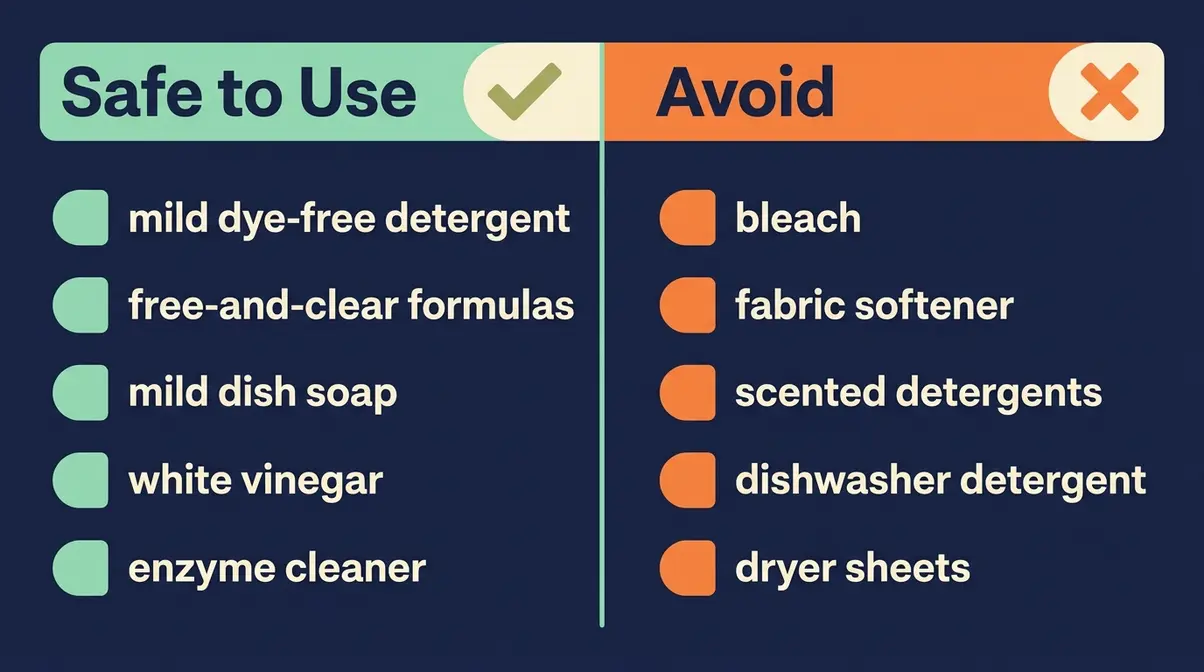
| Safe to Use | Why It Works | What to Avoid | Why It’s Harmful |
|---|---|---|---|
| Mild, dye-free, unscented detergent | No irritants; safe for sensitive skin | Bleach | Corrosive; residue persists after rinsing |
| “Free and clear” formulas (e.g., All Free Clear, Seventh Generation) | No optical brighteners or fragrances | Fabric softener | Coats fibers with skin-irritating chemicals |
| Mild liquid dish soap (e.g., Dawn) | Cuts through oily substances; ASPCA-recommended | Heavily scented detergents | Aversive to dogs; can cause bed avoidance |
| White vinegar (½ cup in rinse cycle) | Neutralizes alkaline odor compounds | Dishwasher detergent | Far more caustic than hand dish soap |
| Enzyme cleaner (for organic stains) | Breaks down uric acid crystals in urine | Dryer sheets | Fragrance and chemical residue on fabric |
Pet-Safe Detergents: What to Use
Mild, dye-free, unscented detergents labeled “pet-safe” or “free and clear” are your default choice. Formulas like Seventh Generation Free & Clear and All Free Clear avoid the fragrances and optical brighteners that irritate dog skin. For dogs with skin allergies, an enzyme-based, fragrance-free option like Rocco & Roxie or Nature’s Miracle laundry booster offers additional benefit.
The ASPCA warns about the potential dangers of some detergents: certain laundry products can cause severe chemical burns and ulcers to a pet’s mouth, esophagus, and stomach. That’s not a risk worth taking when safer options are widely available.
On the Dawn question: yes. You can use it, with conditions. The ASPCA recommends using a mild liquid dish soap (not dishwasher detergent) for pet decontamination because it cuts through oily substances effectively. Use a small amount and rinse the bed thoroughly afterward.
How to Clean a Dog Bed with Baking Soda and White Vinegar

For a “stinky” bed that smells of wet dog, a baking soda pre-soak followed by a vinegar rinse cycle is the most effective two-step odor treatment without commercial products.
Baking soda pre-soak: dissolve ½ cup of baking soda in warm water and soak the bed for 15-20 minutes before washing. The DIY dog-safe cleaning products recommended by the American Kennel Club note that baking soda can be powerful enough to deodorize and remove stains when used correctly.
White vinegar: add ½ cup to the wash cycle’s rinse phase. It neutralizes odor by breaking down the alkaline compounds in pet waste, safe, effective, and inexpensive.
One important note: don’t combine vinegar and baking soda in the same wash cycle. They neutralize each other on contact, which defeats the purpose of both.
What to Avoid: Cleaners That Can Harm Your Dog
Keep these off your dog’s bed entirely:
- Bleach, corrosive to skin and respiratory tract; residue persists even after thorough rinsing
- Fabric softener, coats fibers with chemicals that irritate sensitive skin and reduce absorbency of waterproof liners
- Heavily scented detergents and dryer sheets, the fragrance compounds are genuinely aversive to dogs and are a common reason dogs suddenly refuse to sleep on a freshly washed bed
- Dishwasher detergent, significantly more caustic than hand dish soap; never use it on pet items, even though Dawn dish soap is fine
A dog that avoids a freshly washed bed is often reacting to residual fragrance. Switching to an unscented detergent typically resolves this within one wash cycle.
Checkpoint: You should now have your cleaning agent selected and ready, pet-safe detergent, enzyme cleaner for stains, and optionally white vinegar for odors.
With the right cleaning agent ready, you can move on to the most common method: machine washing.
Step 3: Machine-Wash the Dog Bed
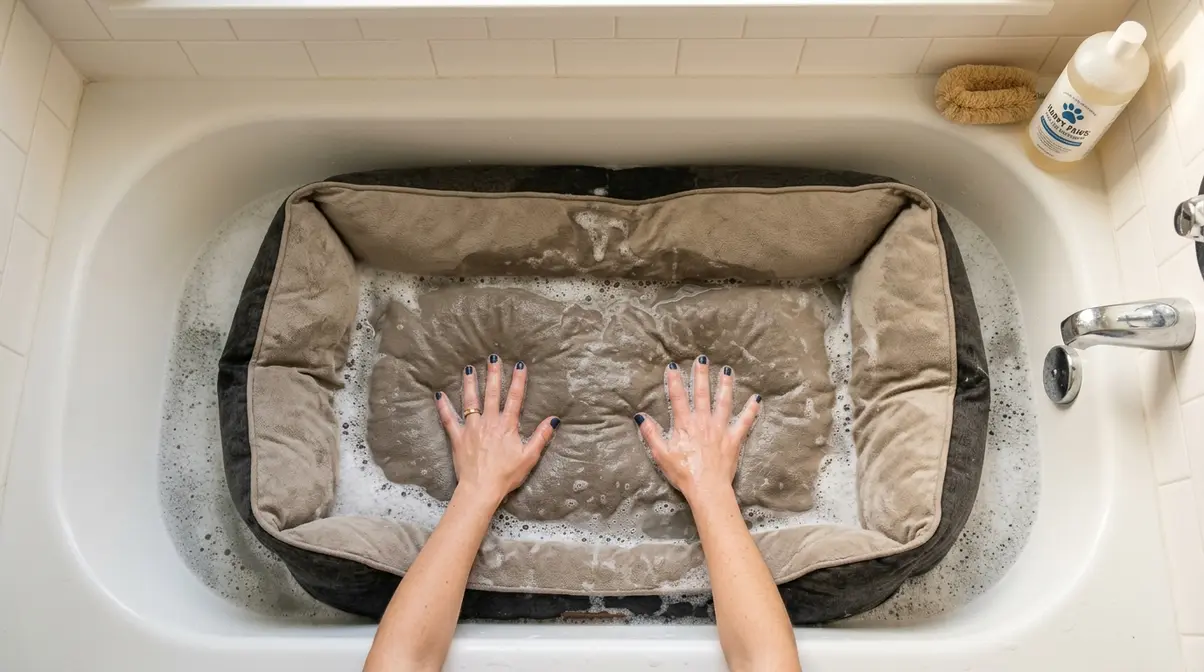
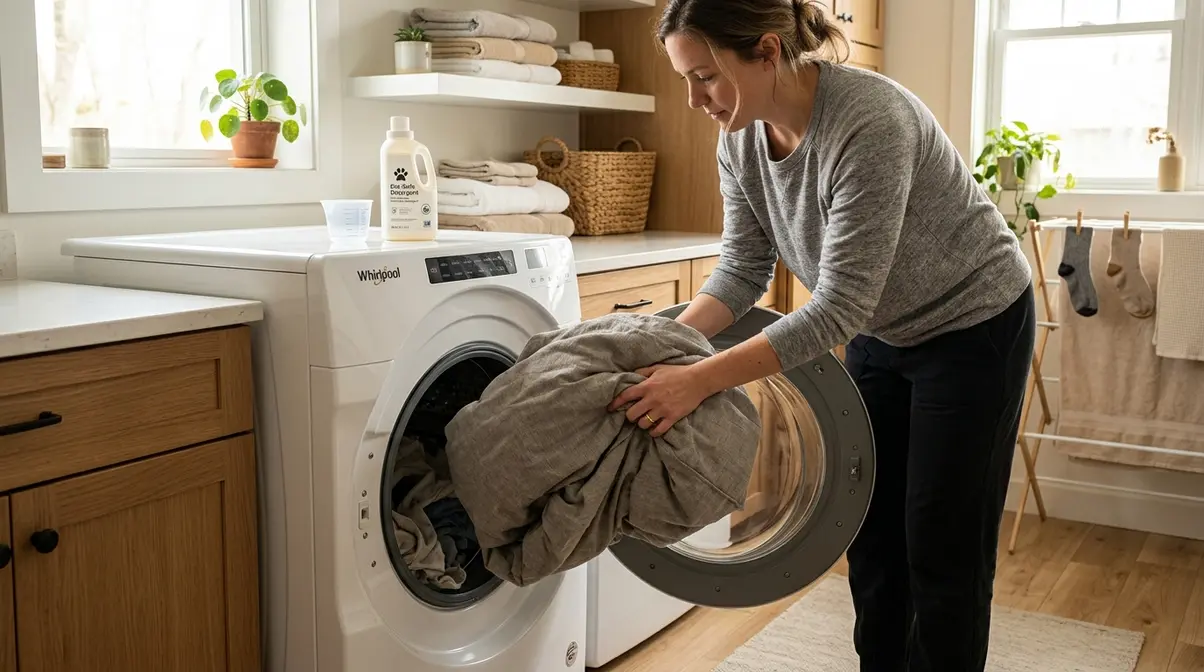
Machine washing is safe and effective for most dog beds. It’s the method most owners reach for first, and for good reason. Whether you’re washing just the cover or the entire bed, knowing how to wash a dog bed in the washing machine comes down to a few key settings. This step applies only to beds you confirmed as machine-wash safe back in Step 1, following The Bed Type First Rule.
How to Wash a Removable Dog Bed Cover
This is the most common scenario, and it’s straightforward. Unzip the cover and shake it outdoors before loading. You’ve already done the serious hair removal in Step 1, but a final shake catches anything loose.
Wash on a gentle cycle with cold or warm water. Hot water risks shrinking the fabric and degrading any waterproof liner. Use the pet-safe detergent from Step 2, and add an extra rinse cycle. Maytag’s guidance on washing dog beds recommends a gentle cycle and extra rinse for pet bedding specifically to remove detergent residue that can irritate your dog’s skin.
Don’t overload the machine. The cover needs room to agitate freely for a thorough clean. A Kong or Orvis removable cover typically fits in a standard home washer; a large orthopedic cover may need a front-loading machine or a laundromat.
How to Wash the Whole Dog Bed in the Washer
Only attempt this if the care tag explicitly says “machine wash” for the entire bed, not just the cover.
Use a large-capacity front-loading machine. The agitator in top-loading machines can damage stuffing and stress seams during the spin cycle. Wash on a gentle cycle with warm water, and add an extra rinse. If the bed is small, balance the load by tossing in a few towels.
Check for tears or loose seams before loading. A compromised seam will release stuffing into the drum, which is a mess to clean up. A Squishmallow dog bed or a flat bolster bed typically handles a full machine wash well. A thick stuffed donut bed may need a laundromat’s commercial washer for best results.
Protect Your Washing Machine After a Dog Bed Wash
Run an empty hot-water cycle with a washing machine cleaner or 2 cups of white vinegar immediately after washing a dog bed. This flushes pet hair, dander, and detergent residue from the drum and seal. Check and clean the lint trap or pump filter too. Pet hair accumulates there and causes drainage problems over time.
Checkpoint: You should now see a clean, rinsed bed, no soap residue, no lingering odor. If suds remain, run an extra rinse cycle.
If your dog’s bed doesn’t have a removable cover, or it’s simply too large for your machine, the bathtub method is your best option.
Step 4: Hand-Wash a Bed Without a Removable Cover
“They don’t fit in my washer, and I don’t have the facilities to wash them by hand… most laundromats won’t clean pet items. I’d rather not throw them out or replace them each time they need a deep clean.”
If that sounds familiar, the bathtub method solves this problem completely. This step covers beds with no removable cover, stuffed beds you can’t split apart, and large beds that simply won’t fit in a home washer. Per The Bed Type First Rule, this is the confirmed method for any bed your care tag marked as hand-wash only.
What You’ll Need for Hand-Washing
- Bathtub (or large utility sink for smaller beds)
- Pet-safe detergent or Dawn dish soap
- Warm water
- Rubber gloves (optional, but helpful for scrubbing)
- Large towels for pressing out water
For beds too large for a bathtub, a commercial front-loading washer at a laundromat is the best alternative. A large orthopedic bed (around 40″×30″) typically fits in a standard bathtub; an XXL bed may need a laundromat’s 60-lb commercial washer. Call ahead. Some laundromats have a no-pet-items policy, so it’s worth confirming before you haul the bed across town.
If you’re interested in beds constructed without traditional stuffing, those designs can be easier to manage on wash day since they don’t retain as much water.
The 5-Step Bathtub Method
If you’re wondering how to wash a dog bed with stuffing, this process takes about 30-45 minutes and is entirely doable by hand.
- Fill the bathtub with warm water, enough to fully submerge the bed. Add 2-3 tablespoons of pet-safe detergent (or a small squeeze of Dawn). Swirl to mix.
- Submerge the bed fully and press it down to saturate. Let it soak for 15-20 minutes. This loosens embedded hair, dander, and organic matter more effectively than a standard machine cycle for non-removable covers.
- Scrub any visibly stained areas with a soft brush or your hands. Focus on corners and seams where odor concentrates most.
- Drain the tub and refill with clean water. Rinse the bed thoroughly by pressing clean water through it. Repeat until the water runs clear and no suds remain. For a bed with a persistent wet-dog smell, add ½ cup of white vinegar to this rinse water. It neutralizes odor compounds that detergent alone misses.
- Press (do not twist or wring) the bed to remove as much water as possible. Twisting breaks down stuffing and damages seams over time.
Tips for Washing Large Dog Beds
Large stuffed beds, a Serta large orthopedic or a Kirkland XXL, for example, bring a few extra considerations.
After the bathtub soak, lay the bed flat on a clean surface outdoors to drain before moving it. A saturated large dog bed can weigh 15-20 lbs, and trying to carry it while soaking risks tearing seams at the stress points. Dry it flat, not hanging. Hanging a large stuffed bed distorts the stuffing distribution as it dries.
For washing a large dog bed with stuffing that won’t fit in your tub, a laundromat’s commercial washer handles most sizes. Confirm the pet-items policy when you call.
Checkpoint: You should now have a thoroughly rinsed, hand-washed bed with no soap residue. Press it gently. If water runs clear, it’s ready for drying. If it still feels soapy, rinse again.
If your dog sleeps on a foam or memory foam bed, the washing rules change significantly, and getting it wrong can destroy the bed.
Step 5: Clean a Foam Dog Bed Insert
Unlike every other part of a dog bed, foam inserts must never go in the washing machine. The agitation and spin cycle compress and tear the foam’s cellular structure, permanently reducing its support, and there’s no fixing that once it’s done. Memory foam and egg crate foam inserts require spot-cleaning only, and The Bed Type First Rule treats foam as its own distinct category for exactly this reason.
For guidance on caring for a memory foam dog bed, that resource covers long-term maintenance alongside product recommendations.
How to Spot-Clean a Foam Dog Bed
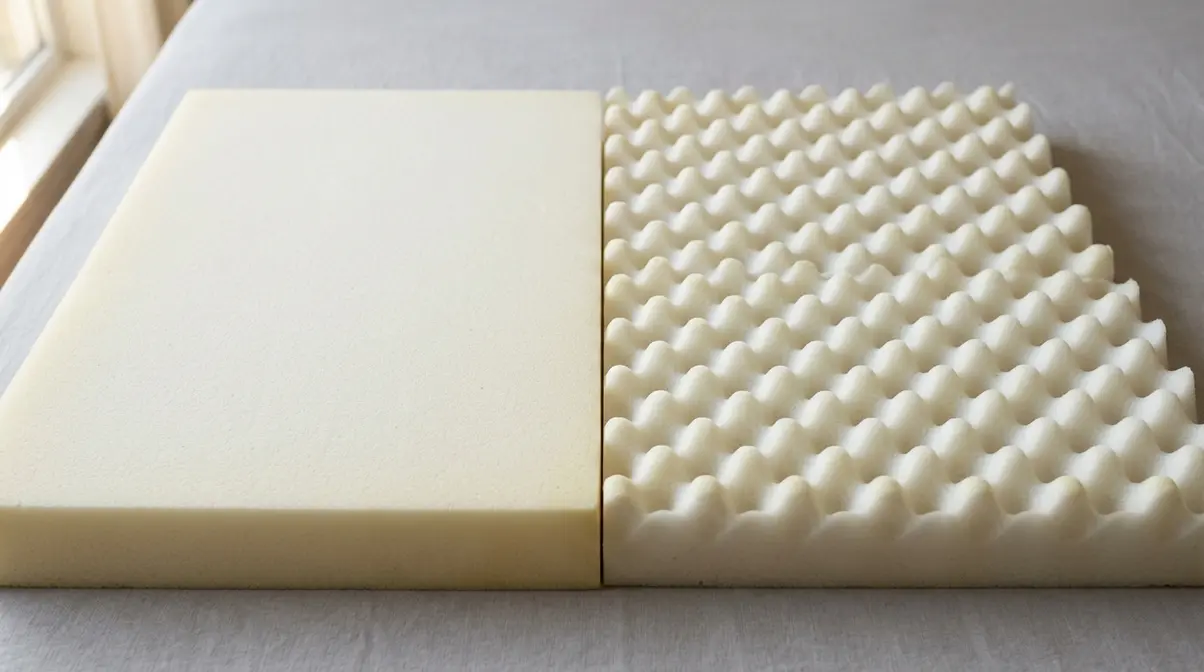
Here’s how to clean a foam dog bed safely: mix a small amount of pet-safe detergent or mild dish soap with warm water. Dampen a clean cloth. Do not saturate it. You want moisture on the surface, not soaking through.
- Blot (do not rub) stained areas with the damp cloth. Rubbing spreads the stain and pushes it deeper into the foam.
- Rinse by blotting with a clean damp cloth until no soap residue remains.
- For deodorizing (no visible stain, just odor): sprinkle baking soda generously over the foam surface, leave for 30 minutes, then vacuum thoroughly. This absorbs odor compounds without adding any moisture to the foam.
The baking soda dry-deodorizing method is the safest approach for a foam insert that smells of wet dog, no water involved, no moisture risk. Consumer Reports’ guide on washing foam inserts covers spot-cleaning and hand-washing steps for foam and fiberfill that apply directly to dog bed inserts.
Memory Foam vs. Egg Crate Foam: Key Differences
The two foam types have different tolerances, and knowing which you have matters.
Memory foam is dense and retains water efficiently, which is exactly what makes it a mold risk. Never submerge it, never wring it, and never put it in a dryer. Even gentle rinsing can leave moisture trapped inside for days. Spot-clean only. A Big Barker or FurHaven orthopedic bed with a memory foam insert falls into this category.
Egg crate foam is more porous and less dense, but it gets the same treatment: spot-clean only, never submerge it. Both types must air-dry completely, minimum 24 hours, ideally 48, before returning to use. A damp foam insert is a mold risk regardless of type.
How to Dry Foam Safely
- Lay flat on a clean, dry surface with good airflow: a drying rack or clean towels on the floor work well.
- Never put foam in a dryer, even on low heat. Heat degrades the cellular structure over time.
- Direct sunlight speeds drying and has a mild antibacterial effect. Keep it to a few hours at most, since UV light degrades foam.
- In humid climates, a fan directed at the foam can reduce drying time from 48 hours to around 24.
Checkpoint: Press the center of the insert. If it springs back fully, the foam structure is intact. If it feels compressed or doesn’t recover, it may need replacing.
Even a perfectly washed bed can still smell if tough stains and odors aren’t treated before or during washing.
Step 6: Remove Tough Stains and Odors
Why does your dog’s bed still smell after washing? The answer is uric acid crystals. When urine dries, it leaves behind crystalline residue that regular detergent doesn’t break down. The smell seems gone when the bed is wet, then returns as it dries. Enzyme cleaners work differently: they contain biological enzymes (protease, amylase, lipase) that specifically break down uric acid crystals, eliminating the odor at its source rather than masking it.
How to Remove Urine Stains from a Dog Bed
Acting quickly makes a significant difference. Per dvm360 veterinary guidance, soaking up as much fresh urine as possible from soiled spots before cleaning makes odor removal significantly more effective.
- Blot fresh urine immediately with clean towels. Press firmly and absorb as much as possible before it sets.
- Apply an enzyme cleaner (Rocco & Roxie, Nature’s Miracle, and Angry Orange are widely used options) generously to the stained area. Let it dwell for 10-15 minutes. The enzymes need time to break down the uric acid crystals; rushing this step is why the smell comes back.
- Wash the bed normally (machine or hand-wash per Steps 3-4) with pet-safe detergent. Add ½ cup white vinegar to the rinse cycle for additional odor neutralization.
For foam inserts with urine stains, apply enzyme cleaner, blot thoroughly, and air-dry. Do not rinse with water (refer back to Step 5 for the moisture risk with foam).
According to enzymatic and bacterial combination cleaner guidance from dvm360, urine odor attracts pets back to previously soiled areas, making thorough odor removal a behavioral necessity, not just a hygiene preference. A mixture of white vinegar and warm water at a 50:50 ratio is also noted by dvm360 veterinary professionals as a satisfactory solution for cleaning urine odor from fabric surfaces.
How to Clean a Dog Bed with Poop or Mud
For solid waste stains, the first step differs from urine treatment.
- Remove all solid matter first. Use a paper towel or gloved hand. Lift it off cleanly; never rub it in.
- Rinse the area with cold water (not hot; heat sets protein-based stains). Apply enzyme cleaner and let it dwell for 10 minutes.
- For mud specifically: let it dry completely first, then brush off the dried mud before applying any liquid cleaner. Wet mud spreads across a much larger surface area when wiped; dry mud lifts cleanly.
- Wash normally per Steps 3-4.
A muddy paw print on a flat bolster bed responds well to the dry-first method. Attempting to wipe wet mud is one of those mistakes that turns a small stain into a large one.
How to Get Rid of Persistent Dog Bed Odors
When the stain is gone but the smell lingers, the odor compounds are embedded deeper than a standard wash cycle reaches.
Baking soda pre-soak: dissolve ½ cup of baking soda in warm water and soak the bed for 15-20 minutes before washing. This lifts embedded odor compounds that detergent misses.
Vinegar rinse: add ½ cup white vinegar to the wash cycle’s rinse phase. It neutralizes the alkaline compounds responsible for that persistent wet-dog smell.
Sunlight drying: air-dry in direct sunlight for 3-4 hours after washing. UV light has a mild antibacterial effect that reduces odor-causing bacteria. Limit to 3-4 hours to prevent fabric fading.
For specialized products like animal odor eliminators, dvm360 notes these are specifically formulated to remove body odors from bedding when standard washing isn’t enough. The same baking soda, enzyme cleaner, and vinegar rinse combination also works on human mattresses where a dog has had an accident. The technique applies to any fabric surface, including how to clean dog urine out of a mattress.
For beds with a waterproof internal liner, the liner protects the foam from urine penetration, which makes this whole process significantly easier.
Checkpoint: After drying, hold the bed to your nose. If the odor is gone, the enzyme treatment worked. If it persists, repeat the enzyme application and wash cycle before returning the bed to your dog.
Once the bed is clean and odor-free, the final step determines whether all that work pays off.
Step 7: Dry the Dog Bed Completely
Drying is where most people go wrong. A bed that feels dry on the outside can still be damp inside, and damp stuffing grows mold and mildew within 24-48 hours, undoing all the cleaning work you’ve just done. This is the completion step that determines whether the bed is actually ready for your dog.
Machine drying (if the care tag allows): use low heat only. High heat shrinks covers, degrades waterproof liners, and can damage any remaining foam. Add 2-3 dryer balls to keep stuffing from clumping as it tumbles. Check the bed every 20-30 minutes and reposition it to ensure even drying throughout.
Air drying: lay the bed flat on a clean, dry surface with good airflow, outdoors in a sheltered spot, or on a drying rack indoors. Minimum 24 hours for stuffed beds; 48 hours if the bed is thick or the environment is humid. Direct sunlight speeds drying and has a mild antibacterial effect, but limit to 3-4 hours to prevent fabric fading.
A stuffed dog bed that feels dry on the outside can retain moisture in its core for 24-48 hours. Pressing the center firmly is the only reliable way to confirm complete drying before returning it to use.
Checkpoint: Press the center firmly. If it springs back and feels room temperature (not cool or damp), the bed is ready. If it feels cool, it needs more time. Your dog’s nose is also a reliable indicator: a fresh-smelling bed is a dry bed.
Troubleshooting Common Dog Bed Washing Problems
Even with the right method, a few common problems can come up. Here’s how to fix them.
- Problem: Bed still smells after washing. Cause: uric acid crystals weren’t broken down. Fix: apply enzyme cleaner before the next wash, let it dwell for 10-15 minutes, then wash again with a vinegar rinse cycle.
- Problem: Dog refuses to sleep on the freshly washed bed. Cause: residual fragrance from detergent or dryer sheets. Fix: switch to an unscented “free and clear” detergent and run an extra rinse cycle.
- Problem: Stuffing clumped after machine wash. Cause: agitator damage or insufficient drying. Fix: use dryer balls on the next wash and dry flat rather than in the dryer.
- Problem: Washing machine smells after a dog bed wash. Cause: pet hair and dander in the drum. Fix: run an empty hot cycle with washing machine cleaner or 2 cups of white vinegar immediately after.
Brand-specific notes:
- Kong beds: machine-wash the cover on gentle cycle; spot-clean the foam base only. Do not submerge the foam base. It follows the same rules as Step 5.
- Serta beds: check the tag (most Serta dog beds are machine-wash safe for the outer cover); the foam insert is spot-clean only.
- Squishmallow dog beds: gentle cycle only, cold water, air-dry flat. The plush exterior is sensitive to heat and can mat or shrink with warm water.
For more ideas on keeping your dog’s gear fresh, exploring different types of dog toys is a good next step. Cleaning routines apply there too.
Frequently Asked Questions About Washing Dog Beds
Is it okay to wash a dog bed in the washing machine?
Yes, washing a dog bed in the washing machine is safe for most beds, provided the care tag permits it. Use a gentle cycle with cold or warm water and a mild, pet-safe detergent. Hot water can shrink covers and degrade foam. An extra rinse cycle removes detergent residue that can irritate your dog’s skin. Always check the care tag first, and remember that foam inserts must never go in the machine regardless of what the label says.
How do you wash a dog bed without a removable cover?
To wash a dog bed without a removable cover, submerge the entire bed in a bathtub filled with warm water and pet-safe detergent. Let it soak for 15-20 minutes, then gently scrub any stained areas before draining and rinsing thoroughly with clean water. Press (don’t twist) the bed to remove excess water. Twisting damages the stuffing and stresses the seams. Air-dry flat for at least 24 hours before returning it to your dog.
Can you wash a dog bed with stuffing in it?
Yes. You can wash a dog bed with stuffing in it if the care label confirms the entire bed is machine-washable. Use a gentle cycle and a large-capacity front-loading machine (no agitator) to protect the stuffing from damage. If washing by hand, ensure the bed is completely rinsed and dried. Damp stuffing develops mold within 24-48 hours. Foam inserts are the exception: never machine-wash foam, regardless of what the tag says.
What is the best thing to wash a dog bed with?
The best thing to wash a dog bed with is a mild, dye-free, unscented detergent labeled pet-safe or “free and clear.” For tough odors, add ½ cup of white vinegar to the rinse cycle: it neutralizes odor compounds without leaving a residue. For urine or organic stains, an enzyme cleaner applied before washing is essential, since regular detergent alone won’t break down uric acid crystals. Avoid bleach, fabric softener, and heavily scented detergents, which can irritate your dog’s skin.
How do you wash a stinky dog bed?
To wash a stinky dog bed, pre-treat odor-causing stains with an enzyme cleaner before washing. Let it dwell for 10-15 minutes so the enzymes can break down the odor compounds. Wash with a pet-safe detergent and add ½ cup of baking soda or white vinegar to the cycle to neutralize embedded odors. Use an extra rinse, and air-dry the bed in direct sunlight for 3-4 hours if possible. If the smell returns after drying, repeat the enzyme treatment before the next wash.
Conclusion
For dog owners dealing with a dirty or stinky dog bed, the right approach depends entirely on the bed type. Machine-washing works for most removable covers; the bathtub method handles large or non-removable beds; foam inserts need spot-cleaning only. Use a pet-safe, unscented detergent. Add an enzyme cleaner for urine stains and white vinegar for persistent odors. Dry completely before returning the bed to your dog, and that persistent smell won’t come back.
The Bed Type First Rule is the single decision that prevents the most common washing mistakes: the ruined foam insert, the clogged machine, the smell that returns after every wash. It connects directly to that frustration at the beginning: the bed that doesn’t fit the washer, or the odor that keeps coming back no matter what you try. Identifying your bed type before you choose a method makes every future wash day faster, simpler, and more effective.
Check the care tag on your dog’s bed today, gather the supplies from the checklist in the Prerequisites section, and schedule a wash day this week. If the bed is beyond cleaning, stuffing permanently clumped, foam compressed and not springing back, fabric deteriorating, our orthopedic dog bed guide is the natural next stop when it’s time to replace. You can also explore how to clean interactive and puzzle toys to keep the rest of your dog’s gear fresh.
➤ Identify your bed type first, choose the right method, and dry it completely. That’s the whole secret to a clean, fresh dog bed your dog will actually want to sleep in.