She could open her crate. She could open the back door. She could open the front door, then the gate — and then she was out, wandering New York City on her own.
Queen Bee had figured out what most dogs never do: that with enough determination, no lock in the world could hold her.
The problem was that none of those escapes ever actually helped.
No Lock Could Hold Her
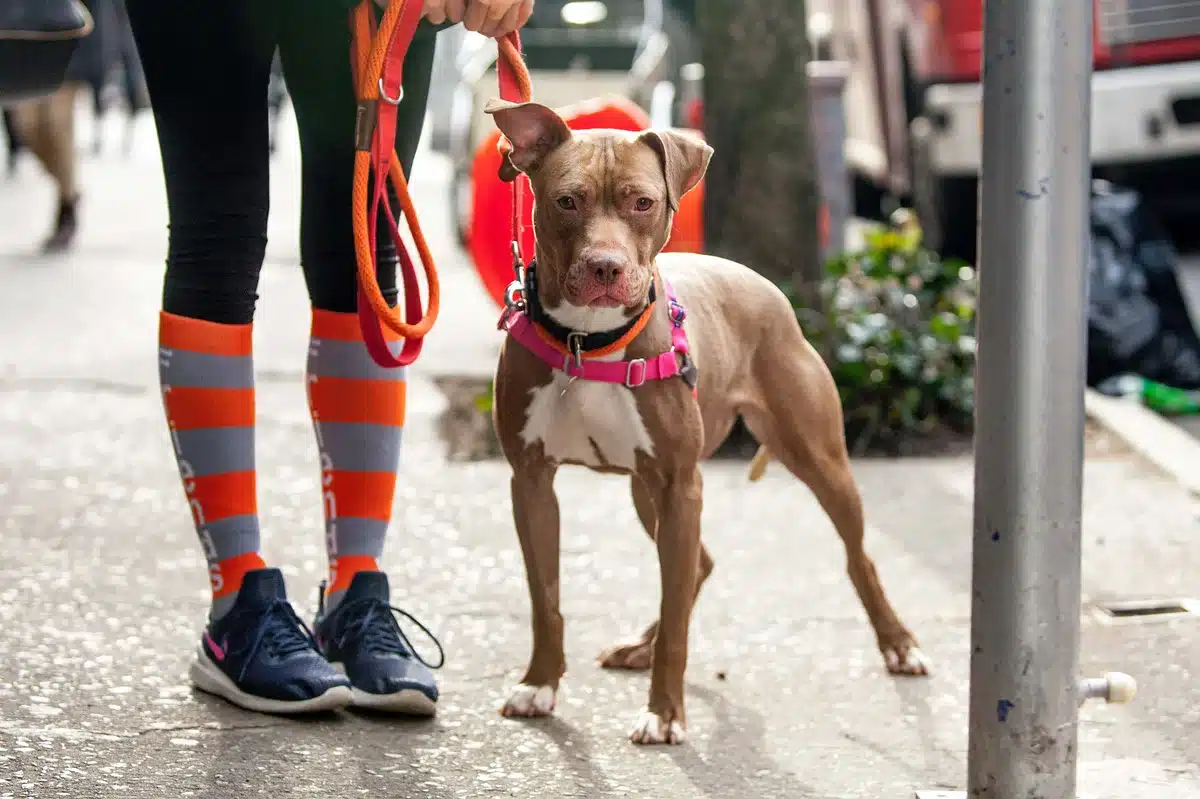
Before she came to Best Friends Animal Sanctuary, Queen Bee lived in New York City — and she was relentless. She taught herself to work latches, handles, and mechanisms that most people assume are dog-proof.
Her caregivers weren’t careless. She was just that determined.
Every door she opened led somewhere new. But the anxiety that drove her to escape came with her every time.
A Dog With a Master Plan
It started with the crate. Then came the interior doors, one by one. Then the gate that opened directly onto the street.
Her independent walks through the city weren’t joyful adventures. They were a dog looking for somewhere, anywhere, that felt less overwhelming.
Each escape left her caregivers more worried — and each return brought a harder question: what do you do when home doesn’t feel safe to a dog who can’t tell you why?
Until No One Could Keep Up
Eventually, Queen Bee’s escapes became more than her caregivers could safely manage. She was surrendered to a shelter, her city life behind her and no clear path forward.
Shelters are loud, high-stimulation environments. For a dog already struggling with anxiety, it was a difficult place to land.
She began barking more. Lunging at other dogs. The stress that had driven her into the streets of New York was still there — just louder now.
Fifteen Hundred Miles From the City
That’s when Best Friends Animal Sanctuary in Kanab, Utah stepped in. Queen Bee made the transfer from a shelter overwhelmed by her needs to a place designed to meet them.
Best Friends is one of the largest animal sanctuaries in the country — 3,700 acres of canyon land in southern Utah, staffed by behaviorists and caregivers who specialize in dogs exactly like her. Dogs who’ve been misread, mislabeled, or simply never given the right environment.
For a dog who’d never had room to decompress, it was unlike anything she’d known before.
A Team That Actually Had a Plan
Best Friends staff didn’t just give Queen Bee a yard and hope for the best. They studied what triggered her and built a plan around it, starting with the most basic adjustment: controlling what she could see and hear.
Her enclosure was arranged so she couldn’t see neighboring dogs throughout the day — eliminating a constant source of overstimulation. When she needed to walk past other dogs’ rooms, staff made sure those dogs were in outdoor play yards first. No sudden encounters. No surprises.
Small adjustments. Consistent repetition. The kind of patience that takes weeks, not days — and a team that believed she was worth it.
One Dog. Then Two. Then More.
Gradually, the plan expanded. Caregivers began allowing a few dogs to be inside as Queen walked past — and they paired the moment with treats and toys.
She learned that other dogs nearby didn’t have to mean danger. That she could walk past a room full of energy without the world falling apart.
Each session added a little more. Each session, she needed a little less help to get through it.
Not The Dog He Expected
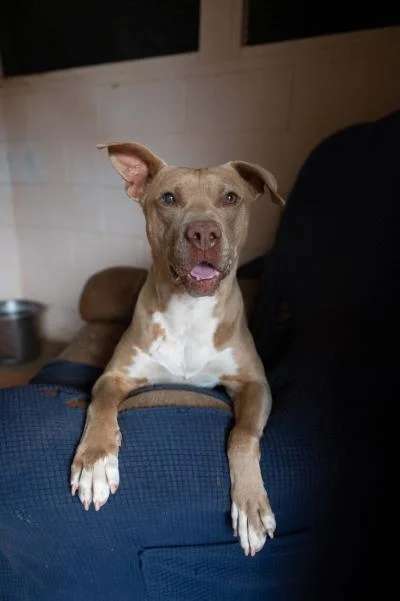
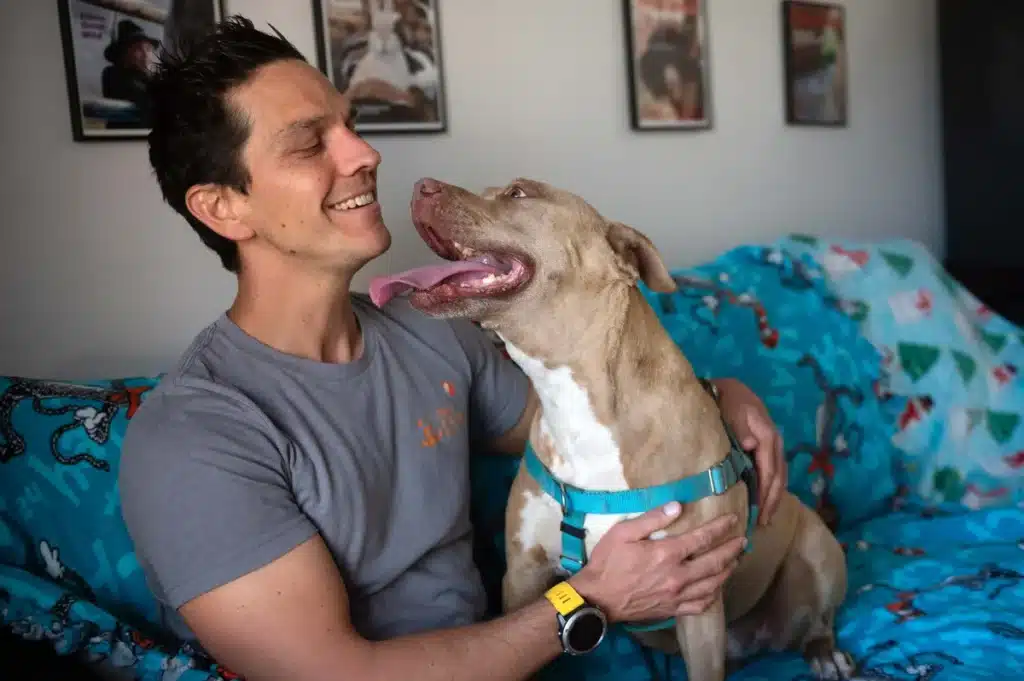
Volunteer Adam Sokol came in expecting a dog who would need time to warm up. He was wrong — in the best way.
“What surprised me most was how quickly she settled in,” he said. “She was cuddled up next to me on the couch in no time.”
Queen Bee had always known how to find the exit. It turned out she also knew how to find the person worth staying for.
When Her Brain Finally Slows Down
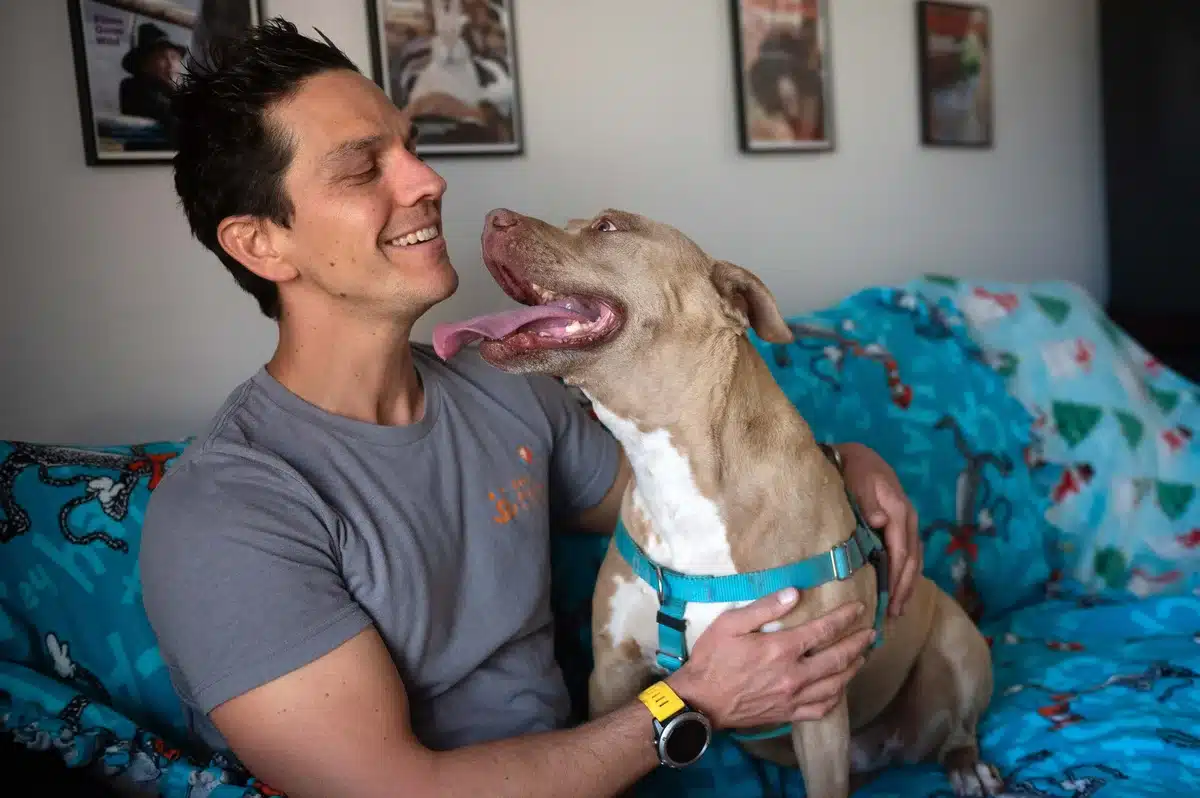
Today, Queen Bee’s anxiety has all but disappeared. The barking that filled her shelter kennel has quieted. The constant urgency is gone.
Caregiver Kimmy Grimes describes what happens when Queen gets somewhere truly calm: “When she goes somewhere quiet like a car ride or adventures out to the sand dunes, you get to see her brain slow down and she can just be.”
For years, Queen Bee picked every lock she could find. Then one Utah canyon showed her that some places are worth staying in.
She wasn’t escaping anymore. She was finally staying.
Dogs like Queen Bee are often misread as troublemakers — but escape behavior in dogs is almost always rooted in anxiety or unmet needs, not defiance. According to the ASPCA, dogs that escape are frequently responding to stress, fear, or boredom. A structured environment and gradual desensitization — exactly what Best Friends provided — are among the most effective approaches. If your dog shows similar behavior, a certified trainer or behaviorist can help.
Story: Best Friends Animal Society · Rescue and care: Best Friends Animal Sanctuary — consider following or supporting their work.
More stories you’ll love
These dogs also found their way through the hardest chapters:
- The Dog on the Euthanasia List Who Jumped for Joy the Day He Was Saved
- Maggie the Deaf Dog and the Chance Encounter That Changed Both Their Lives
- He Watched a Woman Through the Gym Doors Every Day — Until She Finally Came Back for Him
Written by Coral Drake · Reviewed by Alliyah Strange, CPDT-KA. We’re dog people, not a vet clinic — for health or behavior questions, ask a certified trainer or your vet.